How to Attract More Songbirds to a Small Yard or Balcony
You don’t need acres of land to run a genuinely great backyard birding setup. Some of the most active feeding stations belong to people with a small suburban yard, a townhouse patio, or even just a balcony a few floors up. Birds are opportunistic — they’re looking for reliable food, water, and a bit of cover, and they don’t much care whether that comes from a quarter-acre lot or a few well-placed pots and a window feeder. Here’s how to make the most of a small space and turn it into a genuine songbird destination.
Start With One Reliable Feeder, Not Five
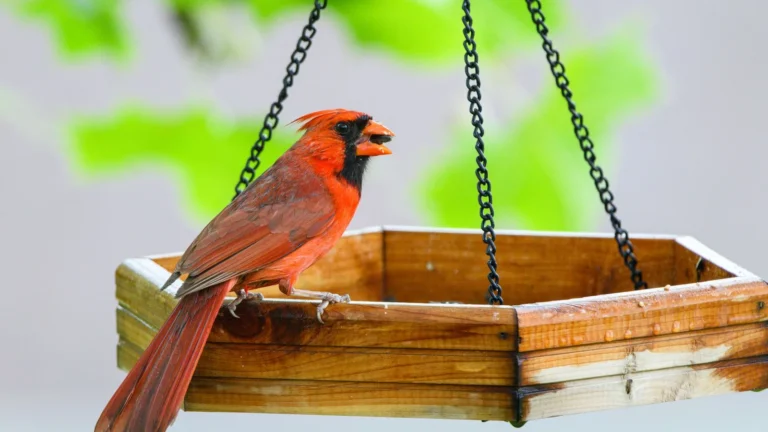
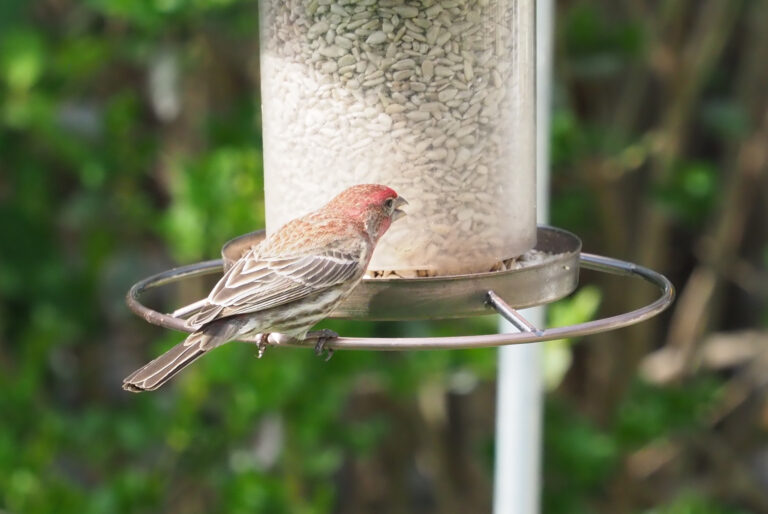
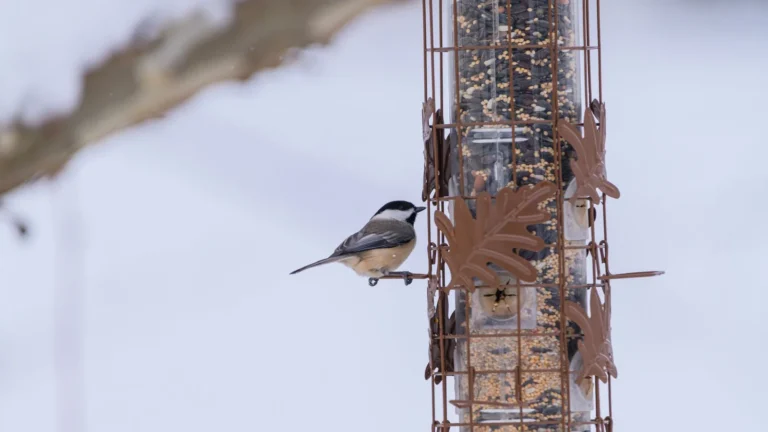
In a small space, more feeders isn’t necessarily better — it can just mean more clutter and more competition crammed into a tight area. Choose one high-quality feeder suited to your space and the birds common in your region, and get that working well before adding anything else. A window-mounted feeder with a strong suction-cup or clamp mount is ideal for balconies and apartments, since it doesn’t need a pole or overhead branch, and it puts birds remarkably close for viewing. For a small yard or patio, a single pole-mounted tube or hopper feeder, positioned where you can see it easily from indoors, is a strong starting point. Fill it with black oil sunflower seed or a quality no-waste mix, since these appeal to the broadest range of common songbirds without producing much husk litter.
Water Is Your Secret Weapon in a Small Space
A shallow birdbath is arguably the single highest-impact addition you can make to a small yard or balcony, often outperforming an extra feeder. Water attracts birds that may not even eat seed — warblers, thrushes, and other insect-eaters that would otherwise skip a feeder entirely will stop for a reliable water source. In a tight space, a simple shallow dish, terracotta saucer, or tabletop birdbath works fine; it doesn’t need to be elaborate. Keep the water no more than 2 inches deep at its deepest point, since most songbirds prefer shallow water they can stand in. Change it every couple of days to keep it clean and mosquito-free, more often in hot weather. If you can add a small solar fountain or dripper, the sound and movement of moving water is remarkably effective at pulling in birds from a distance — often more effective than the feeder itself.
Use Vertical Space and Containers for Cover
Birds are hesitant to visit open, exposed feeding areas without nearby cover to retreat to, which can be the biggest limiting factor on a bare balcony or small patio. The fix is to think vertically and use containers:
- A potted small conifer or dwarf shrub gives birds a place to perch and assess safety before committing to the feeder, plus a quick escape route.
- Trellised native vines, like trumpet honeysuckle or native clematis, add cover along a railing or wall while taking up almost no floor space, and can double as a nectar source for hummingbirds.
- Window boxes with native flowering perennials such as coneflower or black-eyed Susan provide seed heads in fall and support the insects that songbirds need, especially during nesting season.
Even a single well-placed potted shrub near a balcony feeder can make the difference between birds landing confidently and birds staying away because the spot feels too exposed.
Choosing Plants That Punch Above Their Size
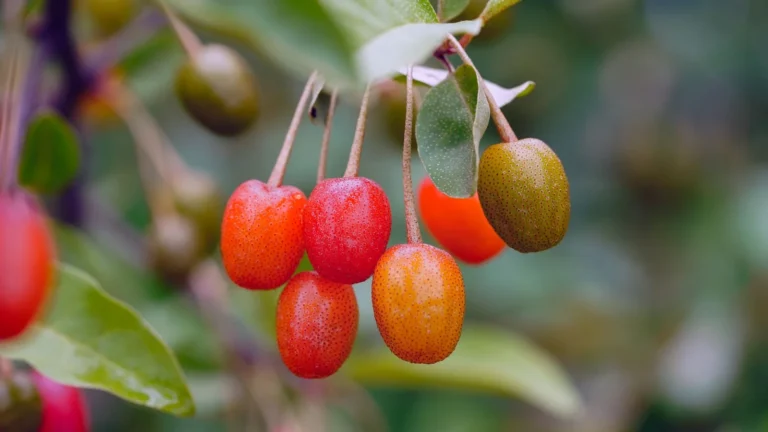
Container gardening for birds works best when you pick plants that do double duty — attracting birds directly while also supporting the insects that feed them. Native perennials are far more efficient in small spaces than showy non-native ornamentals, since local birds and insects are adapted to recognize and use them. Good compact choices for containers include dwarf serviceberry for berries, native asters and goldenrod for late-season seed and pollinators, and compact salvia or bee balm cultivars for hummingbird nectar. If you have even a small patch of ground rather than only pots, a single well-chosen native shrub like a dwarf winterberry holly can anchor the whole space.
Managing Noise and Neighbors
Small-space birding comes with a few practical considerations larger yards don’t have to deal with as much. Seed hulls and spilled seed can accumulate quickly on a balcony floor or patio below a feeder, so choose no-mess or shell-free seed blends, or place a simple tray or mat underneath to catch debris and make cleanup easy. If you’re in an apartment, check whether your building has any restrictions on balcony-mounted items before installing anything permanent, and be mindful that seed on a shared balcony below yours can create issues with neighbors. A window feeder with a built-in seed catcher tray minimizes this problem almost entirely.
Timing and Placement Matter More When Space Is Limited
With only one or two feeding spots available, placement decisions carry more weight than they would in a bigger yard with room for a whole spread-out network of stations. Position feeders away from likely ambush spots for cats but still within a few feet of some cover, follow the same window-collision guidance as any other feeder setup (very close to the glass or well away from it, never in between), and consider morning sun exposure, since many birds feed most actively in the first couple of hours after sunrise. If your balcony or patio only gets good bird traffic at certain times of day, that’s normal — use those windows for your best viewing rather than expecting constant activity.
What to Expect Realistically
A small space will never draw the sheer number of species that a rural five-acre property backing onto woods will, and that’s fine — the goal is a good, consistent relationship with the birds that do live nearby. Depending on your region, a well-run small setup can realistically attract chickadees, house finches, goldfinches, sparrows, and the occasional warbler or catbird passing through during migration, especially if water is part of the setup. Hummingbirds are often surprisingly willing to visit a balcony feeder or nectar-producing container plant many floors up, since they’re used to foraging at height in trees.
Building a Simple Feeding Calendar
Even in a small space, a bit of seasonal planning helps you get more out of what you have. In spring, prioritize a clean water source and any nectar plants, since birds are focused on nesting and rearing young and rely heavily on insects rather than seed. Summer is a good time to lean on native flowering perennials in containers for both nectar and the insects they attract. Fall is when seed feeders matter most, as birds bulk up for migration or winter, so keep your main feeder consistently stocked. Winter is the highest-stakes season for a small feeding station, since natural food is scarce and a reliable feeder can genuinely matter to birds overwintering nearby — this is also when a heated or frequently refreshed water source becomes especially valuable, since open water is hard to find once temperatures drop below freezing.
Small Space, Real Results
The core formula for attracting songbirds doesn’t change with the size of your space — food, water, and cover, offered consistently. A small yard or balcony just means you have to be more deliberate about each element, since you don’t have room for excess. One good feeder, a shallow water source, and a bit of vertical cover from potted plants will outperform a scattered, half-finished setup on a much bigger property. Get those three things right, keep them clean and filled, and you’ll find that songbirds are far less picky about square footage than most people assume.
Related reading
- Best Plants and Shrubs to Attract Birds to Your Yard
- How to Attract Bluebirds to Your Yard
- How to Attract Woodpeckers with Suet
- How to Attract Goldfinches with Nyjer and Sunflower
Sources & further reading
Small-Space Feeder Shopping
No yard? No problem. Small-space feeding is about mounting style more than model:
- A window-mount feeder — suctions to the glass for close-up views (see current options on Amazon).
- A compact hanging tube feeder — low-mess and small-footprint (compare today’s listings on Amazon).
- A rail-mount bracket — turns a balcony rail into a feeding spot.
Some links here are affiliate links — buy through them and Feeder Flock may earn a small commission at no extra cost to you.