How to Start a Backyard Bird-Feeding Station: A Complete Beginner’s Guide
There’s a particular kind of magic in that first morning you glance out the kitchen window and see a chickadee swinging on a feeder you filled the night before. Starting a backyard bird-feeding station is one of the easiest ways to bring more life, color, and birdsong into your yard, and you don’t need acreage, fancy equipment, or a degree in ornithology to do it well. You just need the right basics in the right order. This guide walks you through choosing feeders, picking seed, placing everything safely, keeping it clean, and adjusting as the seasons change, so you can start strong and keep your visitors coming back.
Start With the Right Feeder Types
Different feeders suit different birds and different seeds, so most experienced feeder-watchers end up running two or three styles rather than just one. Here’s how the main types break down.
Tube Feeders
A tube feeder is a cylinder with multiple small perches and feeding ports, usually filled with sunflower seed or a no-mess mix. Tube feeders are excellent for attracting finches, chickadees, titmice, and nuthatches, and their design naturally limits access for larger, pushier birds like grackles. Look for one with metal port reinforcement, since squirrels and larger birds can chew through plastic ports over time.
Hopper Feeders
Hopper feeders look like little houses with a seed reservoir that gravity-feeds onto a tray as birds eat. They hold a lot of seed, stay relatively dry in rain, and welcome a wide range of birds, including cardinals, jays, and sparrows. Because the feeding surface is open, hopper feeders are a great all-purpose choice for beginners who want to attract the broadest variety of species.
Platform (Tray) Feeders
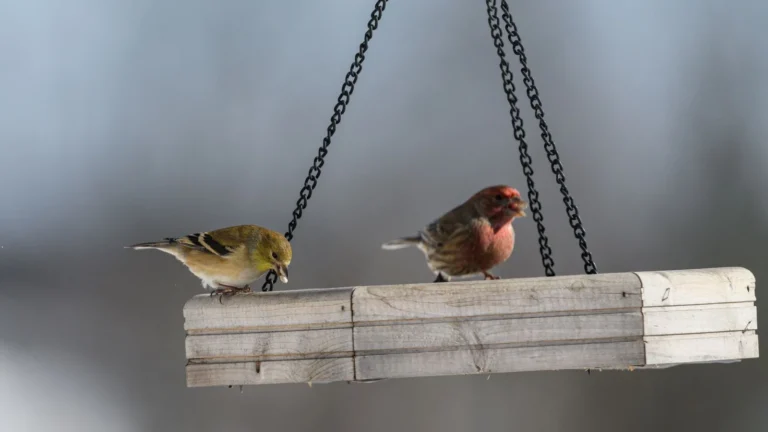
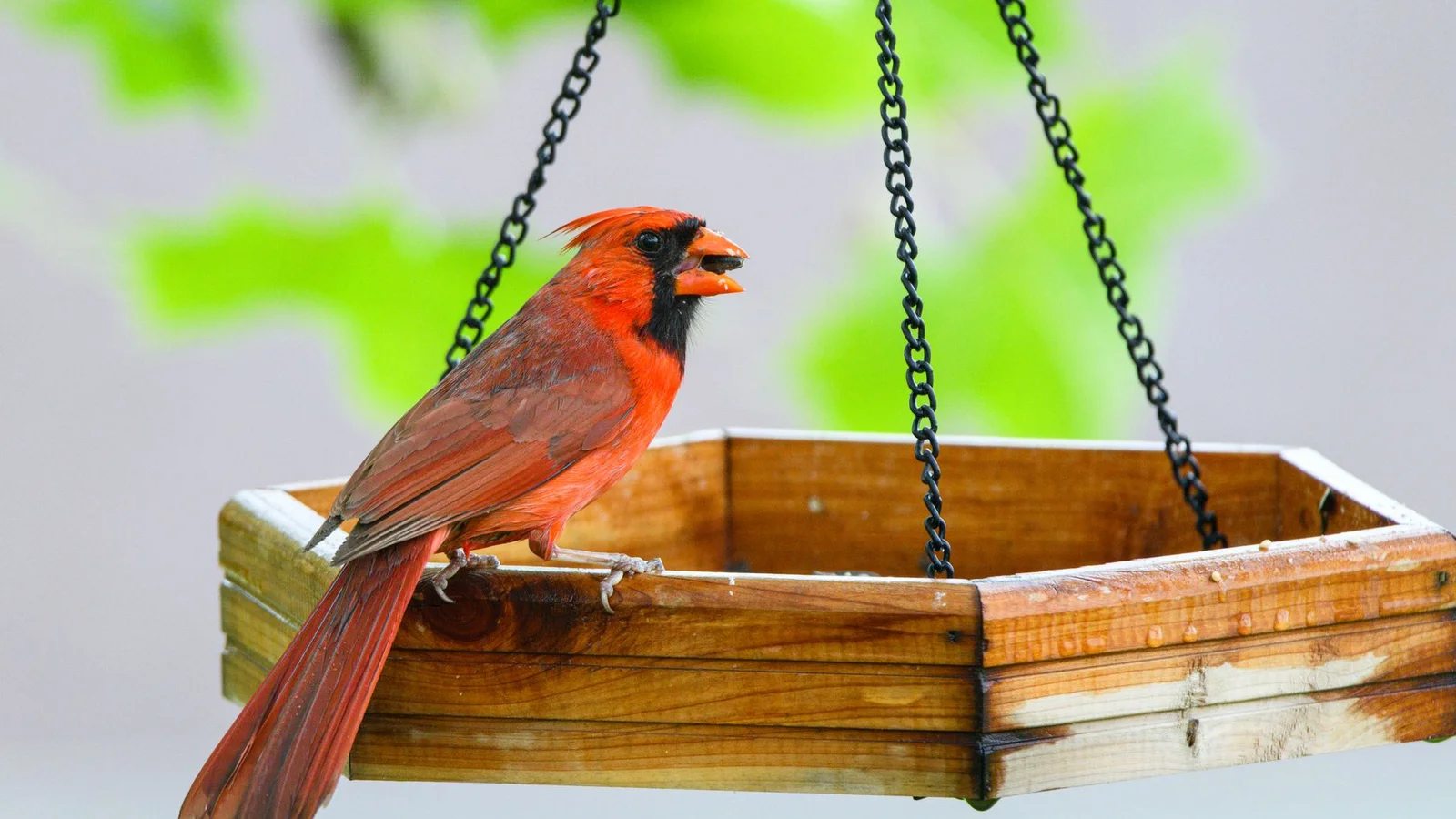
A simple flat tray, sometimes elevated on a pole and sometimes just resting near ground level, a platform feeder attracts almost everyone, including ground-feeding species like doves, juncos, and towhees that are reluctant to use hanging feeders. The tradeoff is that open platforms expose seed to rain and droppings, so they need more frequent cleaning and are more likely to draw squirrels and larger birds. A platform with mesh or drainage holes in the bottom helps seed dry out faster after storms.
Suet Feeders
Suet feeders are wire cages that hold compressed blocks of beef fat mixed with seeds, nuts, or fruit. They’re a magnet for woodpeckers, nuthatches, and wrens, and they give birds a concentrated fat and protein source that’s especially valuable in cold weather. Suet cages are inexpensive and a great low-cost addition to a starter setup.
Choosing the Right Seed for the Birds You Want
Seed choice matters just as much as feeder choice, and it’s the single biggest lever you have for controlling which species show up.
- Black oil sunflower seed is the closest thing to a universal favorite. Its thin shell and high fat content make it appealing to cardinals, chickadees, titmice, finches, jays, and nuthatches alike. If you only buy one type of seed, make it this one.
- Nyjer (thistle) seed is tiny, oil-rich, and beloved by American goldfinches, pine siskins, and common redpolls. It needs a feeder with very small ports or mesh, since standard feeder openings are too large and let it spill.
- Safflower seed has a bitter taste that squirrels and some blackbirds tend to avoid, while cardinals, chickadees, and doves still eat it readily. It’s a smart choice if squirrels are overrunning your sunflower feeder.
- White proso millet appeals to ground feeders like juncos, doves, and sparrows, and works well scattered on a platform feeder or the ground beneath one.
- Cracked corn attracts doves, jays, and sometimes turkeys or quail in rural areas, but it also draws squirrels and can spoil quickly if it gets wet, so use it sparingly.
- Peanuts (shelled or in-shell) are a hit with jays, woodpeckers, titmice, and nuthatches, offered in a dedicated mesh peanut feeder.
Skip the cheap “wild bird mix” bags full of milo, wheat, and red millet filler. Most backyard birds pick around these ingredients and kick them onto the ground, where they attract rodents and go to waste. A little extra spent on quality seed pays off in far less mess and far more visitors.
Where to Put Your Feeders
Placement is where most new feeder-station owners go wrong, and it’s also where a little planning prevents the two most common tragedies: window strikes and predator ambushes.
What to Grab When You’re Just Starting Out
Getting started is mostly about a few honest basics rather than any one product:
- A squirrel-resistant all-in-one feeder — forgiving and hard for squirrels to raid (see current options on Amazon).
- Black-oil sunflower seed — the one seed nearly every backyard bird eats (compare today’s listings on Amazon).
- A multi-hook feeding-station pole — hang feeders anywhere, no trees needed.
- A simple bird bath — water pulls in birds that ignore feeders.
Some links here are affiliate links — buy through them and Feeder Flock may earn a small commission at no extra cost to you.
The 3-and-30 Rule
Bird-safety experts often recommend the 3-and-30 rule for feeder placement relative to windows. Put feeders within about 3 feet of a window, and birds that flush from the feeder don’t have enough distance to build up dangerous speed before hitting the glass, so collisions tend to be minor. Alternatively, put feeders more than 30 feet away, far enough that birds don’t perceive the window as part of their flight path and are less likely to mistake reflected sky or trees for open space. It’s the middle distance, roughly 5 to 25 feet, that’s most dangerous, because birds have room to gain speed but still register the window as a threat to flee toward or through.
If moving a feeder isn’t practical, you can also make the glass itself more visible to birds with exterior decals, tempera paint patterns, or hanging paracord spaced a few inches apart across the pane.
Cover and Predator Safety
Birds want to feel like they can dash to safety in a second or two, so place feeders within about 10 feet of a shrub, tree, or brush pile they can retreat into. At the same time, avoid tucking a feeder so deep into dense cover that a cat can stalk within pouncing distance without being seen. A good middle ground is open sight lines around the feeder with a quick escape route nearby, not a hiding spot for predators.
If outdoor or feral cats are common in your neighborhood, keep feeders at least a few feet off the ground on a pole, and consider a squirrel baffle below the feeder, which does double duty by making it harder for a cat to leap up from underneath.
Add a Water Source
Water is often the missing piece in a backyard bird station, and it can attract species that never touch a seed feeder, including warblers and other insect-eaters passing through. A birdbath just 1 to 3 inches deep with a gently sloped or textured bottom gives birds secure footing to drink and bathe. Keep it in a spot with some visibility so birds can watch for predators while they’re vulnerable and wet, and change the water every day or two, especially in summer heat, to keep it fresh and to prevent mosquitoes from breeding in it. A small solar or battery-powered water wiggler that keeps the surface moving is a simple upgrade that makes the bath more visible to passing birds and further discourages mosquitoes.
Hygiene: Preventing Disease at Your Feeders
A feeding station concentrates birds in one place, which unfortunately also makes it easier for diseases like salmonellosis, avian pox, and conjunctivitis to spread between individuals. Good hygiene habits keep your yard a safe gathering spot rather than a hazard.
- Clean feeders every 2 weeks at minimum, and weekly during periods of heavy use or wet weather. Empty out old seed, scrub with a bottle brush, and wash with a solution of about one part household bleach to nine parts water, or hot soapy water, then rinse thoroughly and let the feeder dry completely before refilling.
- Rake up spilled seed and hulls beneath feeders regularly, since accumulated waste on the ground is a breeding ground for mold and bacteria and attracts rodents.
- Don’t overfill. Only put out as much seed as your birds will clear in a day or two, especially in warm or humid weather, so it doesn’t sit and go moldy.
- Watch for sick birds. If you notice a bird that’s puffed up, lethargic, or has swollen or crusty eyes, take feeders down for one to two weeks and clean thoroughly before putting them back up. This gives sick individuals a chance to disperse rather than continuing to spread illness at a crowded feeder.
- Space out multiple feeders if you run more than one, rather than clustering them tightly together, to reduce crowding and direct contact between birds.
Keeping Squirrels From Taking Over
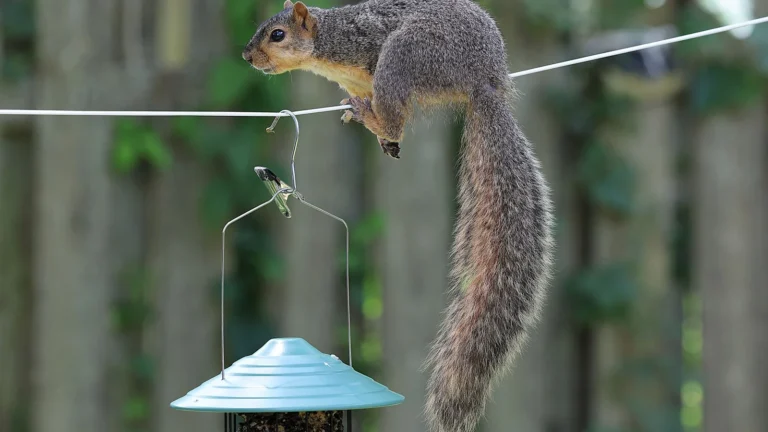
Squirrels are clever, persistent, and can eat through a feeder’s worth of seed in a single sitting, so a little squirrel strategy saves you money and frustration.
- Use a baffle. A dome or cylinder-shaped baffle mounted on the pole below the feeder, or hung above it if the feeder swings from a branch, blocks climbing and jumping access. Baffles are the single most effective squirrel deterrent.
- Mind the distance. Squirrels can jump roughly 5 feet horizontally and drop from about 4 feet above a feeder, so keep feeders at least 10 feet from the nearest jumping-off point, including tree branches, fences, and rooflines.
- Choose squirrel-resistant seed. Safflower seed and straight nyjer are far less appealing to squirrels than sunflower seed or corn.
- Try weight-activated feeders. Some feeders have a spring-loaded perch or cage that closes the feeding ports when something heavier than a songbird lands on it.
- Feed squirrels separately. Some backyard birders simply give squirrels their own feeding station with corn well away from the bird feeders, redirecting their attention rather than fighting it.
Seasonal Adjustments Worth Knowing
A feeding station isn’t a “set it and forget it” project; a few seasonal tweaks keep it useful and safe year-round.
- Winter is when birds need feeders most, since natural food is scarce and they’re burning extra calories to stay warm. Lean into high-fat offerings like suet and black oil sunflower, and keep feeders reliably stocked since birds come to depend on them in cold snaps.
- Spring brings migrating birds passing through, so this is a great time to add mealworms or fruit for orioles and tanagers, and to increase cleaning frequency as feeder traffic picks up with nesting activity.
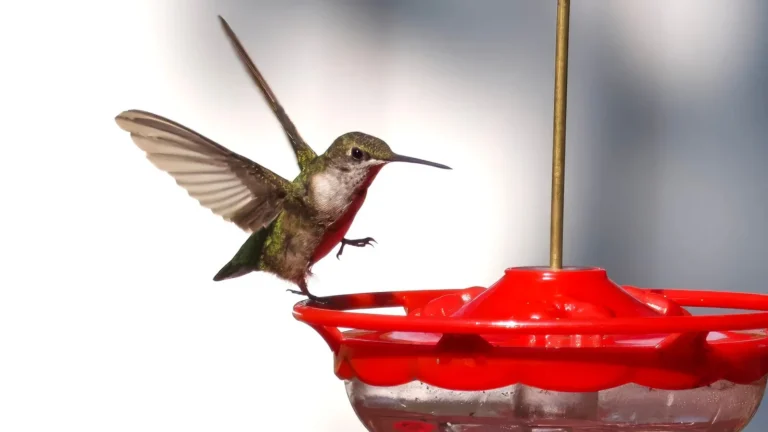
- Summer heat spoils seed faster, so fill feeders with smaller amounts more often, keep water sources especially fresh, and consider pausing hummingbird nectar changes to every 2 to 3 days since sugar water ferments quickly in the heat.
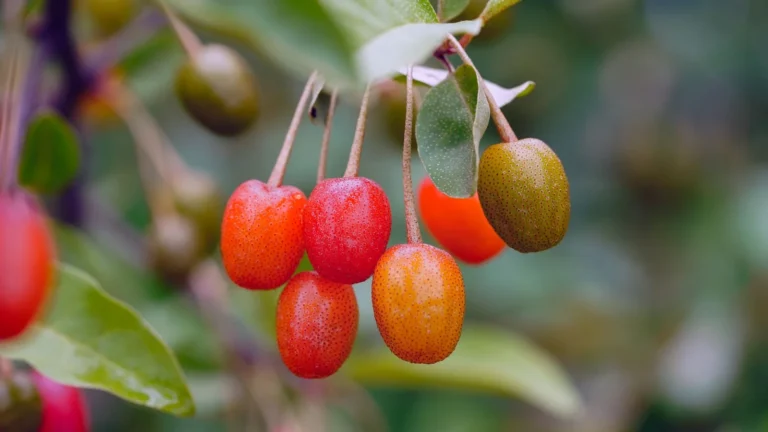
- Fall is a good time for a deep clean before winter traffic ramps up, and to gradually increase seed volume as natural food sources like berries and insects dwindle.
- Bears in the area? Many wildlife agencies recommend taking feeders down entirely from spring through fall in bear country, since feeders can train bears to associate yards with an easy meal.
Getting Started This Week
You don’t need to build the perfect setup on day one. A hopper feeder filled with black oil sunflower seed, placed either close to a window or well away from one, with a shrub nearby for cover, is a genuinely great starting point that will draw a wide variety of birds within days. Add a suet feeder and a shallow water source once that first feeder is up and running, then expand from there as you learn what your local birds prefer. Keep a simple cleaning schedule on your calendar, watch for squirrel activity and add a baffle if needed, and adjust your seed and feeder placement with the seasons. Before long, you’ll have a little patch of backyard that birds treat as reliable, safe territory, and that’s really the whole goal.
Related reading
- How to Identify Common Backyard Birds: A Beginner’s Field Guide
- Feeding Backyard Birds in Winter: A Cold-Weather Guide
- Platform, Tube, or Hopper: Choosing the Right Bird Feeder
- Ground-Feeding Birds: Juncos, Doves, and Sparrows