Best Plants and Shrubs to Attract Birds to Your Yard
A well-stocked feeder brings birds to your yard for a few minutes at a time, but the right plants and shrubs can turn your whole property into a place birds actually want to live. Feeders offer a quick meal; landscaping offers food, shelter, nesting sites, and safety from predators all in one package. If you’ve ever wondered why a neighbor’s modest, slightly overgrown yard seems to buzz with chickadees, warblers, and waxwings while your tidy lawn stays quiet, the answer is usually in the plant list. Here’s how to choose shrubs and plants that will pull in birds season after season, without turning your yard into a jungle.
Why Plants Matter More Than Feeders Long-Term
Feeders are wonderful for observation, but they’re a supplement, not a foundation. Native plants provide three things a feeder can’t: insects for feeding nestlings, natural cover from hawks and cats, and a food source that doesn’t run out when you forget to refill it or go on vacation. Roughly 96 percent of North American land birds rear their young on insects and spiders, even species we think of as strict seed-eaters. A yard full of native shrubs hosts far more caterpillars and beetles than a yard of ornamental non-native plants, which means more food for parent birds feeding hungry chicks. Plant the right shrubs and you’re not just feeding adult birds — you’re helping the next generation survive.
Berry-Producing Shrubs Birds Can’t Resist
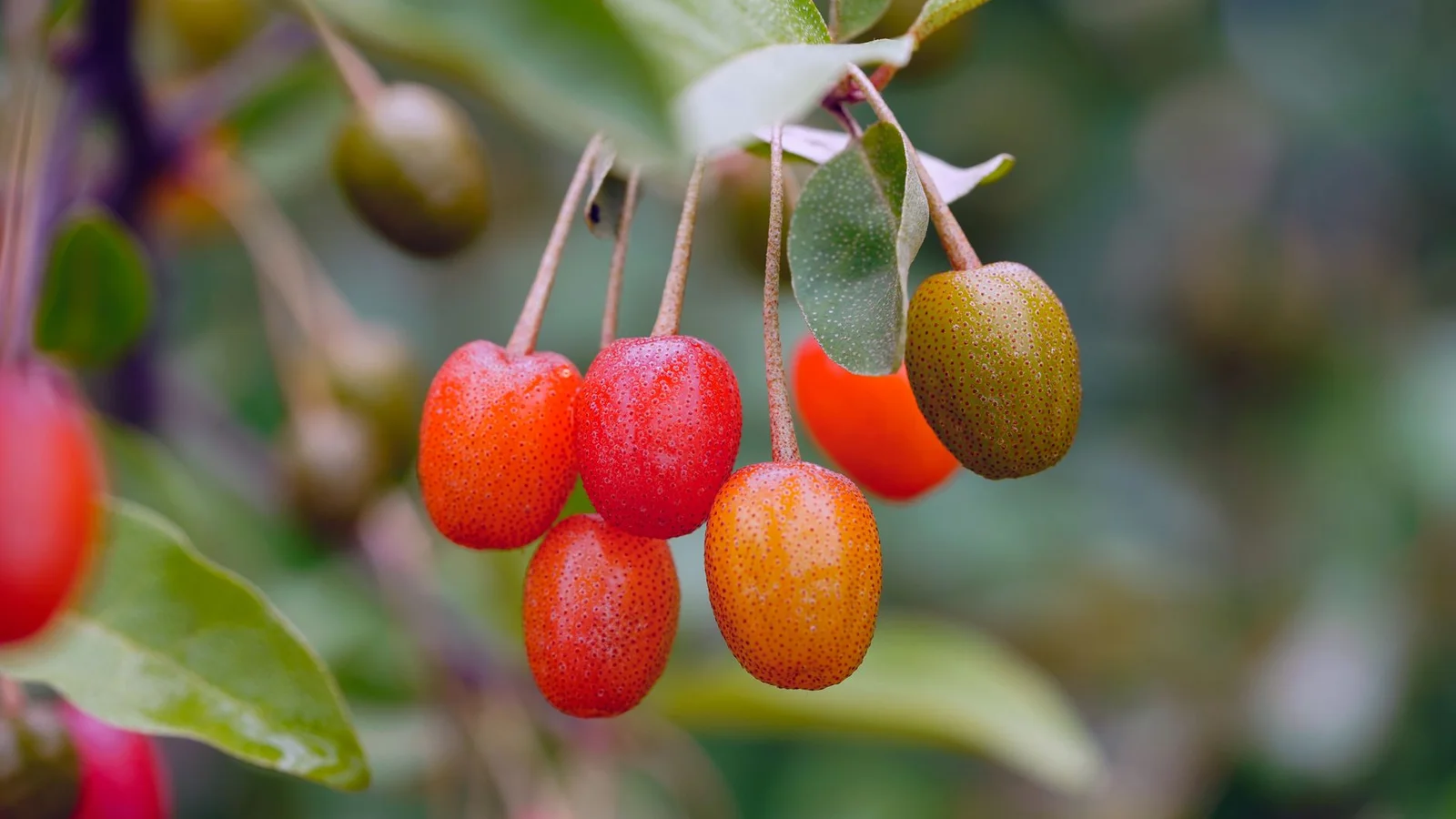
Fruit-bearing shrubs are the single best investment for attracting birds, especially in fall and winter when insects are scarce. Look for these reliable performers:
- Serviceberry (Amelanchier): Early summer berries that robins, cedar waxwings, and orioles devour almost as soon as they ripen. Also has spring flowers and good fall color.
- American beautyberry (Callicarpa americana): Clusters of vivid purple berries in fall, popular with mockingbirds, robins, and thrashers, especially in the Southeast.
- Winterberry holly (Ilex verticillata): A deciduous holly that drops its leaves but keeps bright red berries through winter, feeding bluebirds and robins when little else is available. You need both a male and female plant to get berries.
- Elderberry (Sambucus canadensis): Fast-growing with heavy clusters of dark berries that attract dozens of species, from catbirds to tanagers.
- Chokeberry (Aronia): Tough, low-maintenance, and loaded with berries that persist into winter.
- Dogwood (Cornus species): Both flowering dogwood and red-osier dogwood produce fruit that’s high in fat, which migrating birds need for fuel.
Stagger a few of these varieties and you’ll have something ripening from midsummer through late winter, rather than one big buffet that disappears in a week.
Conifers for Year-Round Shelter
Evergreens don’t just feed birds — they house them. A dense conifer like eastern red cedar, arborvitae, or spruce gives birds a windbreak in winter storms, a safe place to roost overnight, and cover from predators while they feed nearby. Cedar and juniper also produce small blue-gray cones that cedar waxwings, robins, and bluebirds eat throughout winter. If you only add one evergreen to your yard, plant it near your feeder setup — birds are far more likely to visit a feeder that’s within a quick dash of thick cover.
Nectar and Seed Plants for Specialists
Not every bird eats berries. Hummingbirds need nectar, and finches and sparrows rely heavily on seed heads.
For Hummingbirds
Trumpet-shaped, tubular red or orange flowers are hummingbird magnets. Try trumpet honeysuckle (Lonicera sempervirens — not the invasive Japanese honeysuckle), bee balm (Monarda), cardinal flower (Lobelia cardinalis), and native columbine. These plants also draw in bees and butterflies, which in turn attract insect-eating birds.
For Seed-Eaters
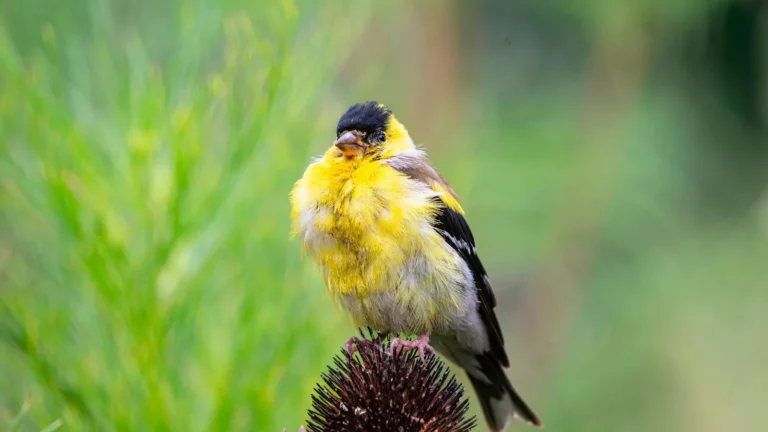
Coneflowers, black-eyed Susans, asters, and sunflowers all produce seed heads that goldfinches, chickadees, and sparrows will strip clean in fall and winter. The trick here is patience: leave the spent flower heads standing through winter instead of deadheading them. What looks messy to us is a pantry to a finch.
Choosing Plants for Your Region
The single biggest mistake people make is planting whatever looks pretty at the garden center, regardless of whether it’s native to their area. Non-native ornamentals like Bradford pear, burning bush, and Japanese barberry often produce fruit with little nutritional value, or none that local birds recognize as food. Native plants, by contrast, evolved alongside local bird populations and support the insect life those birds depend on.
Before buying, check with your local native plant society, extension office, or a regional native plant finder to see what naturally grows in your area. A shrub that’s a bird magnet in the Pacific Northwest may be useless or even invasive in the Southeast, and vice versa. As a rule of thumb, aim for a mix of:
- At least one evergreen for shelter
- Two or three berry shrubs with staggered fruiting times
- A patch of native seed-producing perennials
- One nectar source if you want hummingbirds
Planting for Birds: What to Look For
Native plants are the longest-lasting “feeder” you can buy. Look for: Some links here are affiliate links — buy through them and Feeder Flock may earn a small commission at no extra cost to you.
| What to look for | Best for |
|---|---|
| a native wildflower seed mix | Seeds plus the insects birds feed their chicks |
| sunflower seeds for planting | Grow your own seed heads |
| a berry shrub (serviceberry or elderberry) | Berries songbirds flock to |
Layering Your Yard Like a Natural Habitat
Birds use different heights of vegetation for different purposes. A yard with only a lawn and a few tall trees is missing the middle layer — the shrubs, brambles, and low thickets where sparrows, wrens, and towhees forage and hide. Try to create at least three layers: a groundcover or leaf litter layer, a shrub layer at 3 to 10 feet, and a canopy layer of taller trees. Even a small yard can manage this with one small tree, a couple of shrubs, and a perennial bed. If you have room along a fence line or property edge, let it grow a little wild — a loose, informal hedgerow of mixed shrubs will outperform a single manicured specimen plant every time.
What to Avoid
A few common landscaping choices actively work against your bird-attracting goals. Invasive shrubs like Japanese honeysuckle, autumn olive, and multiflora rose spread aggressively and crowd out the native plants birds rely on, even though birds do eat their berries. Heavy pesticide and herbicide use strips your yard of the insects that feed nestlings and can poison birds directly. And large expanses of closely mowed turf grass offer birds essentially nothing — no food, no cover, no nesting sites. If you’re working with a small yard, even converting a portion of lawn to a native planting bed makes a measurable difference.
Pairing Plants With Your Existing Feeders
If you already run a feeding station, think of your landscaping as an extension of it rather than a separate project. Placing berry shrubs and dense cover within 10 to 15 feet of a feeder gives birds a safe staging area to watch from before committing to an open perch, and a quick retreat if a hawk or cat shows up. Many birds — chickadees and nuthatches especially — will grab a single sunflower seed from a feeder and immediately fly to the nearest shrub to eat it, so having that cover close by can double how comfortable birds feel visiting in the first place. It also spreads activity across your yard instead of concentrating every bird in one exposed spot, which reduces stress and makes for more natural viewing.
A Simple Planting Plan for a Typical Yard
If you’re starting from scratch and don’t want to overthink it, a workable formula is one small ornamental or native tree as an anchor, three to five shrubs chosen from the berry list above with different fruiting seasons, one evergreen for winter shelter, and a perennial bed with coneflowers, asters, or black-eyed Susans left standing through winter. Add a native flowering vine like trumpet honeysuckle along a fence or trellis if you want hummingbirds. This kind of mixed planting, done in phases over a couple of seasons, does far more for local bird populations than any single specimen plant ever could.
Give It Time
Unlike a feeder, which can attract birds within hours of filling it, a planted landscape takes a season or two to mature and start pulling in real numbers. Shrubs need a year or more to establish roots before they flower and fruit heavily. Be patient, water new plantings through their first dry spells, and resist the urge to over-prune. A slightly untidy, layered yard with a mix of native berries, evergreen cover, and seed heads left standing through winter will, in time, out-attract any feeder setup on its own — and together, the two make your yard a genuine bird sanctuary.
Related reading
- How to Attract More Songbirds to a Small Yard or Balcony
- How to Attract Bluebirds to Your Yard
- Ground-Feeding Birds: Juncos, Doves, and Sparrows
- How to Stop Birds From Hitting Your Windows