How to Attract Blue Jays Without Scaring Off the Little Birds
Blue jays split backyard birders into two camps. Some people love the flash of blue and the swagger; others grumble that a jay clears the feeder and sends the smaller birds packing. The good news is that you can have both — a reliable jay crowd and a busy songbird feeder — if you set the yard up so the big and small birds are not forced to compete for the same perch.
What blue jays actually want
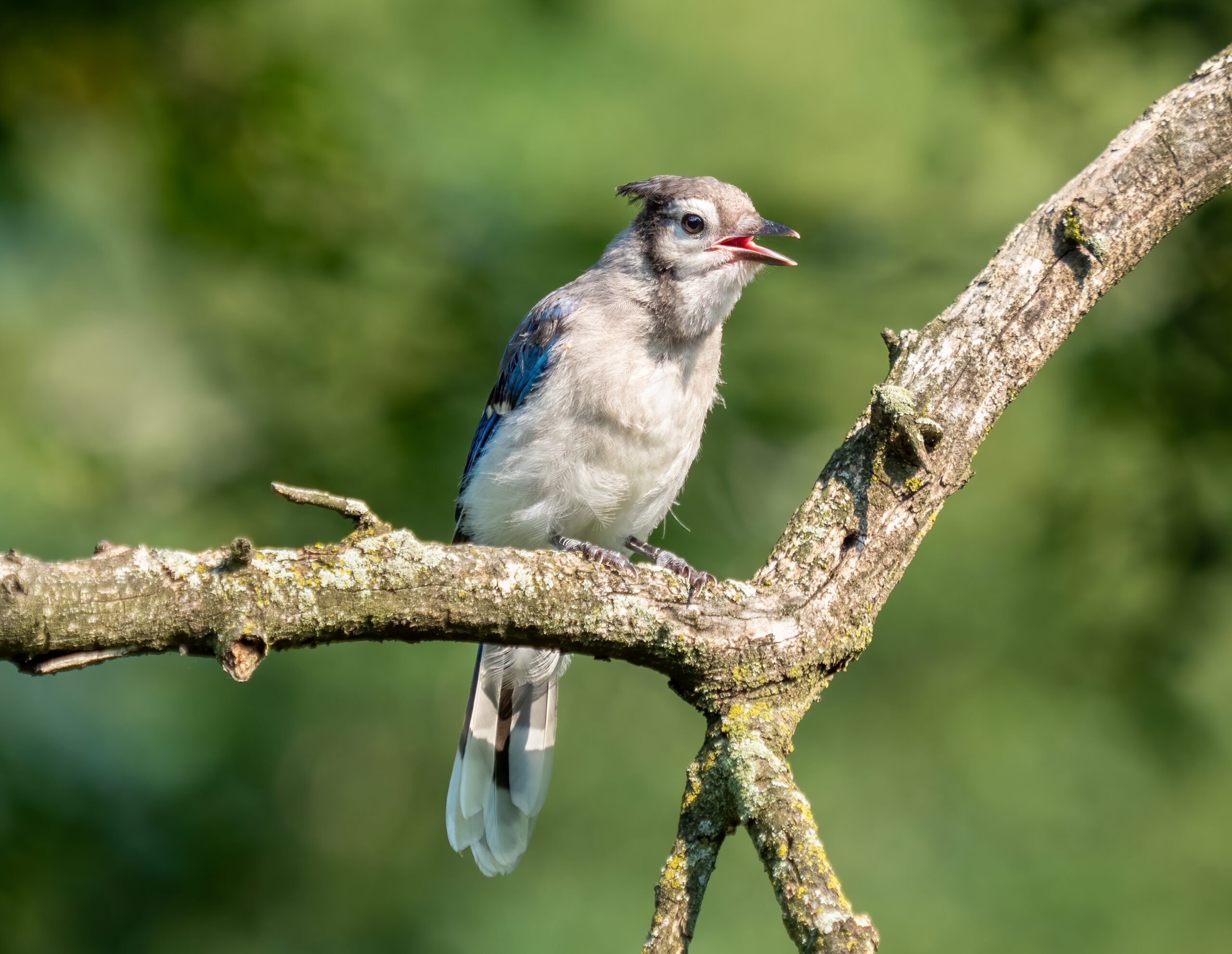
Jays are members of the corvid family, close cousins of crows and ravens, and they are smart, social, and memory-driven. In the wild they are acorn specialists: a single jay can cache thousands of acorns in a season, and oak forests owe some of their spread to jays burying and forgetting them. At the feeder, that preference translates into a clear shopping list:
- Whole and shelled peanuts — the single most effective jay magnet. In the shell is even better; jays love the work of prying them open and hauling them off to cache.
- Black-oil and striped sunflower — striped sunflower’s tougher shell is awkward for small birds but easy for a jay’s stout bill, which naturally skews it toward the larger visitors.
- Cracked corn and suet — both draw jays, especially in colder months.
The trick: give the big birds their own table
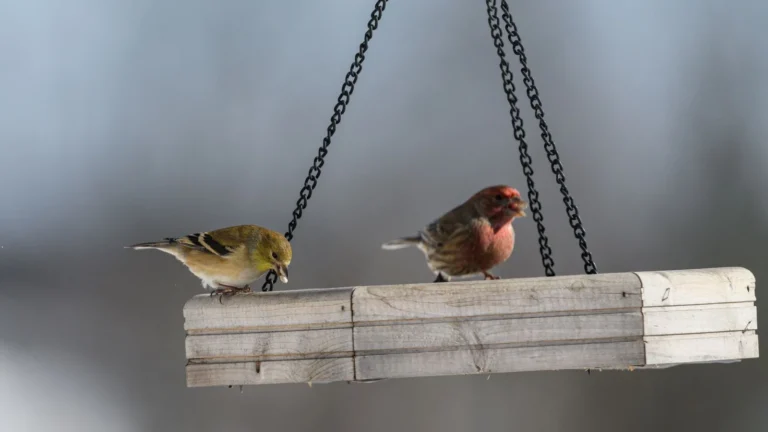
Most feeder conflict comes from geometry, not aggression. A single tube feeder has a handful of small perches that a jay dominates simply by landing. Spread the birds out and the friction largely disappears.
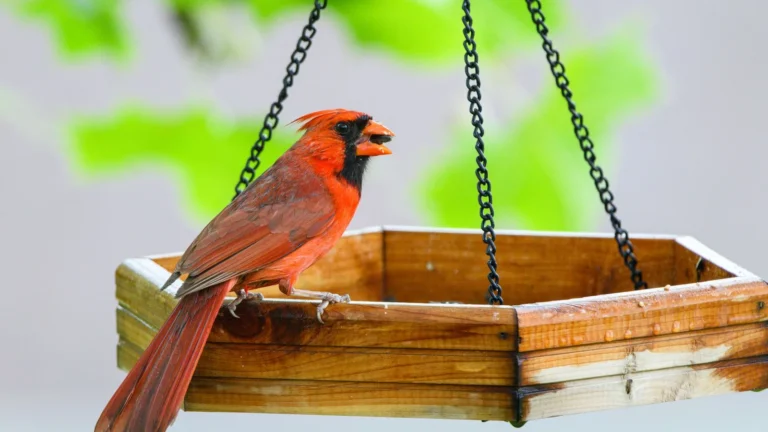
The most reliable setup is a dedicated jay station away from your main songbird feeders: a sturdy platform or tray feeder, or a simple flat surface, stocked with peanuts and cracked corn. Jays are happy to work a platform, and putting their favorite foods there draws them away from the tube feeder the chickadees and finches use. Think of it as seating the loud table across the room rather than trying to make everyone share one booth.
Keep the small-bird feeders tube-shaped with short perches and fill them with sunflower hearts and nyjer. Jays are too big to feed comfortably from short perches and clinging-only feeders, so the little birds get a space of their own by design.
Peanuts, placed well
If you do one thing to attract jays, put out whole peanuts in the shell on a platform or in a dedicated peanut feeder. A jay will often grab one, weigh it, put it back, and choose a heavier one — they are literally selecting the peanut with the most nut inside. Offer a small handful in the morning and you will usually have jays arriving within days once they find it, and they will remember the spot for months.
Living with a little bossiness
Jays are also famous for imitating hawk calls, sometimes to clear a feeder before they drop in. It is cheeky, but it rarely does lasting harm; the small birds scatter and return within minutes. If jays are genuinely monopolizing everything, the fix is almost always more feeding stations and more distance between them, not fewer jays. A yard with a peanut platform, a couple of tube feeders spaced apart, and some cover in between comfortably hosts jays, cardinals, chickadees, and finches at the same time.
Bring in the jays on purpose and you get one of the most intelligent, characterful birds in North America as a regular. Give the little birds their own feeders a few yards away, and nobody has to lose.
Do blue jays really bully other birds?
Their reputation is bigger than their rap sheet. Jays are loud and physically imposing, so smaller birds yield the perch when one lands, but studies of feeder behavior find that jays spend most of their feeder time grabbing food and leaving to cache it rather than guarding the feeder or attacking other species. They will raid nests for eggs and nestlings in spring, as many birds do, but at the feeder they are mostly smash-and-grab customers. The scattering you see is caution, not combat, and the small birds return within minutes.
Water and cover seal the deal
A jay that finds food, water, and a few tall perches will fold your yard into its daily route. Add a bird bath with an inch or two of clean water — jays drink and bathe readily — and keep a tree or tall shrub within sight of the peanut station so arriving jays have a staging perch to check for danger before dropping down. Offer peanuts at roughly the same time each morning and you effectively set an appointment; jays have excellent spatial memory and will show up on schedule once the pattern is established.
A simple blue jay starter setup
If you want to go from zero to jays in about a week, keep it simple: mount a flat platform feeder or a sturdy tray on a post four to five feet off the ground, somewhere with a clear sightline and a tree within a few yards. Put out a handful of whole in-shell peanuts each morning along with some black-oil or striped sunflower and a little cracked corn. Add a shallow dish of water nearby. Do that consistently for a week or two, and the neighborhood jays will find it, test it, and fold it into their daily rounds — after which they become one of the most dependable and entertaining regulars you can host, hauling off peanuts and announcing their arrival from the top of the nearest tree.
One winter tip worth adding: when cold weather arrives and insects vanish, hang a suet cake or offer peanut pieces near the jay station. Jays take suet readily in the cold months when they need the extra fat, and it keeps them anchored to your yard through the leanest part of the year — which is exactly when their blue is most welcome against the bare branches and snow.
Related reading
- How to Attract Cardinals to Your Backyard Feeder
- How to Attract Woodpeckers with Suet
- Why Birds Suddenly Stopped Coming to Your Feeder (and How to Win Them Back)
Sources & further reading
Setting Up a Jay Station
Give jays their own station and they’ll leave the little feeders alone.
Where to start: Whole peanuts in the shell — a jay favorite that keeps them busy. You can see current options on Amazon. Full disclosure — the Amazon links below are affiliate links. We may earn a little on qualifying purchases; you pay the same either way.