What to Feed Backyard Birds: A Food and Seed Guide by Species
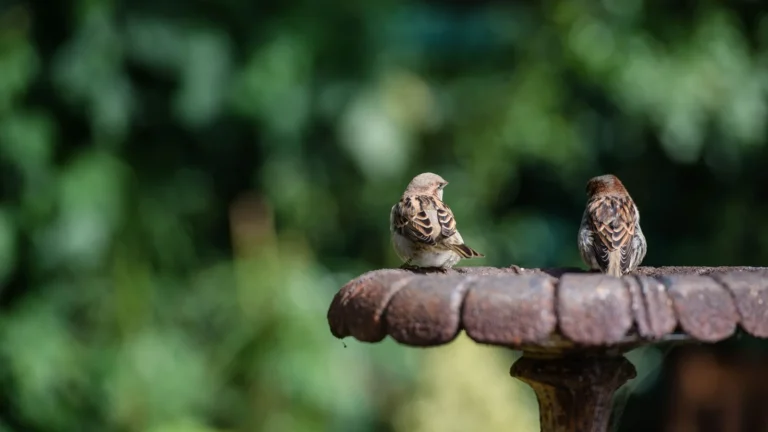
Walk down the bird food aisle at any hardware store and you’ll find a wall of options: black oil sunflower, striped sunflower, nyjer, safflower, millet, cracked corn, suet, mealworms, and a dozen “wild bird blends” with names like Deluxe or Supreme. Most of that variety exists because different birds have genuinely different needs, bill shapes, and feeding styles. Buy the wrong food for your yard and you’ll mostly feed squirrels and sparrows. Buy the right food and you can predict, with real accuracy, which species will show up. Here’s how to match seed and food to the birds you actually want to see.
Start With Black Oil Sunflower Seed
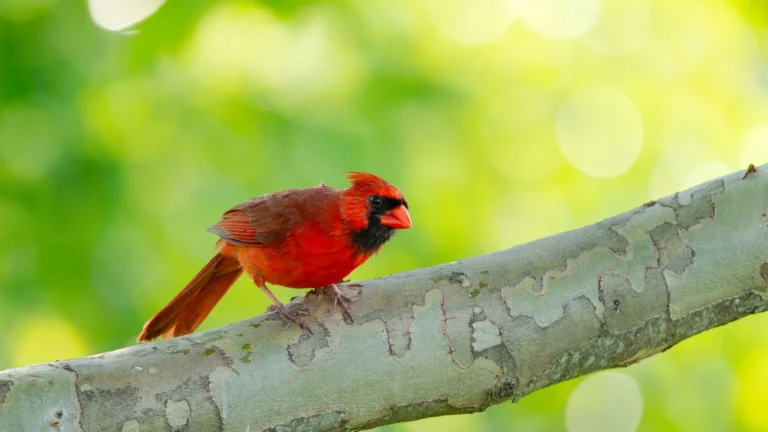
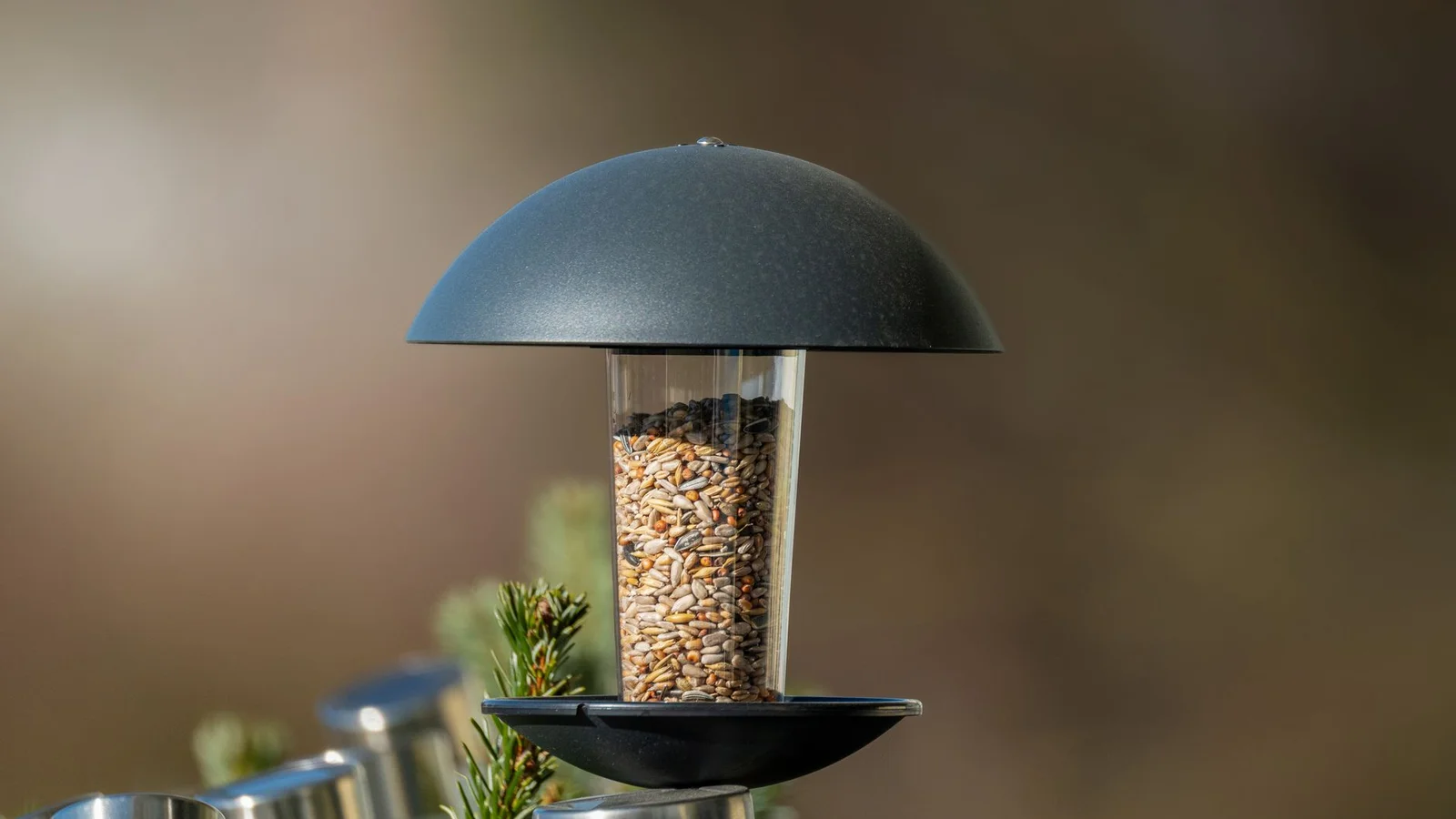
If you only ever buy one type of food, make it black oil sunflower seed. The shells are thinner than striped sunflower, the kernels are higher in fat, and the seed is small enough for almost every feeder-visiting songbird to handle, from chickadees to cardinals. It draws finches, nuthatches, titmice, woodpeckers, jays, and grosbeaks. It’s also relatively affordable per pound of actual nutrition, since there’s less wasted shell.
Striped sunflower has a thicker hull that only larger, stronger-billed birds like cardinals and grosbeaks can crack easily, which makes it a decent option if you’re trying to discourage smaller birds or house sparrows from dominating a feeder — but for most backyards, black oil is the better default.
Nyjer (Thistle) for Finches
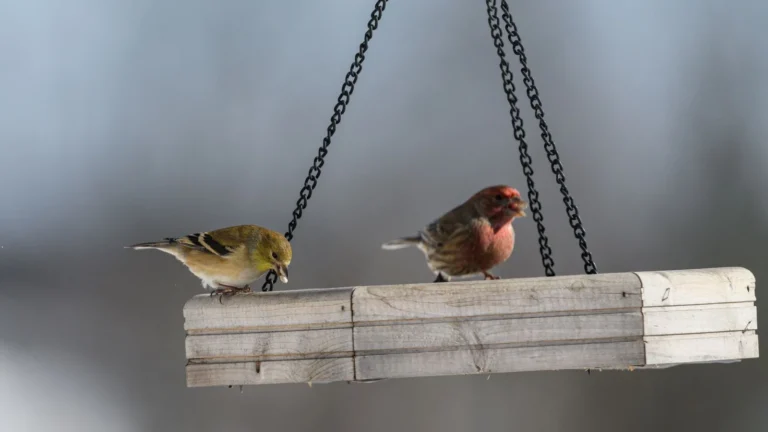
Nyjer seed is a tiny, black, oil-rich seed imported mostly from Africa and Asia, and it is the single best way to attract American goldfinches, along with pine siskins and common redpolls where they occur. Nyjer needs a dedicated feeder with small ports or fine mesh, since the seed is too small for a standard hopper or tray to dispense properly. Buy it in small quantities and store it somewhere cool and dry — nyjer loses its oil content and appeal to birds faster than sunflower does, and old, dry nyjer will sit untouched for weeks.
A worthwhile shortcut: many stores sell a “finch mix” of nyjer and fine sunflower chips together, which works in mesh tube feeders and tends to draw goldfinches just as reliably.
Suet for Woodpeckers, Nuthatches, and Wrens
Suet is rendered beef fat, usually pressed into a cake and sold in a plastic-wrapped block that fits a wire suet cage. It’s the best way to bring in downy, hairy, and red-bellied woodpeckers, plus nuthatches, chickadees, titmice, and sometimes Carolina wrens or even orioles in migration. Suet is especially valuable in cold weather, when birds need concentrated fat and calories to get through long nights.
Look for suet blends with added peanuts, mealworms, or fruit if you want to widen the audience — fruit-and-nut suet can attract woodpeckers and occasionally catbirds or mockingbirds. In hot climates or during summer, plain suet can turn rancid or melt; “no-melt” suet blends made with rendered fat and less moisture hold up better in warm weather.
Mealworms for Bluebirds and Insect-Eaters
Live or dried mealworms are the single most effective food for attracting bluebirds, and they’re also popular with wrens, chickadees, titmice, and robins. Live mealworms get more attention, but dried mealworms are far easier to store and still work well, especially if you rehydrate them slightly or offer them alongside suet. Use a dedicated mealworm feeder — a small dish or platform with a slick or overhanging edge — since loose mealworms placed in a normal seed feeder tend to get buried or ignored.
This is a food to offer in modest amounts. A handful once a day is plenty; large piles left out can spoil or attract ants and other insects.
Safflower: The “Squirrel-Resistant” Seed
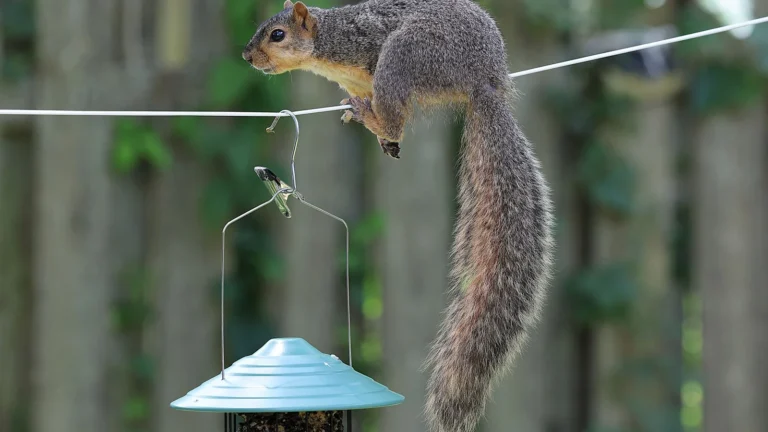
Safflower is a white, cone-shaped seed with a bitter taste that most squirrels dislike, along with house sparrows, starlings, and grackles — birds many people would rather not attract in bulk. What it does attract is cardinals, chickadees, titmice, mourning doves, and nuthatches. It’s a good option if squirrels or sparrows have taken over your black oil sunflower feeder, though be aware some squirrels do eventually acquire a taste for it, and not every “nuisance” bird avoids it either.
Millet and Cracked Corn for Ground Feeders
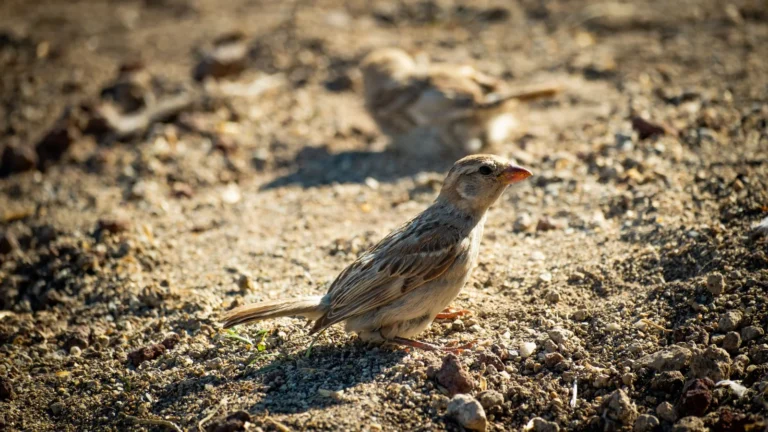
White proso millet is the seed of choice for ground-feeding and low-perching birds: juncos, native sparrows, towhees, and mourning doves all favor it. Scatter it on the ground or a low platform feeder rather than a hanging tube, since many millet-loving species prefer to feed close to the ground or cover. Cracked corn serves a similar audience and is also popular with jays and doves, but it can turn to mush quickly in wet weather and is a magnet for squirrels, deer, and raccoons, so use it sparingly and clean up leftovers.
Be cautious with cheap “wild bird mix” from big-box stores — many are bulked up with milo, wheat, and red millet, which most desirable songbirds pick through and discard on the ground. If a blend lists milo or “mixed grain products” as a primary ingredient, expect a lot of waste and mess under the feeder.
Peanuts for Jays, Titmice, and Woodpeckers
Shelled, unsalted peanuts (whole or in pieces) are a favorite of blue jays, tufted titmice, chickadees, nuthatches, and woodpeckers. Whole peanuts need a feeder with a wire mesh cage that forces birds to peck pieces off, which slows down consumption and adds an entertaining foraging challenge. Peanut pieces can go in a standard hopper or tray. Always buy raw or roasted peanuts meant for wild birds rather than salted snack peanuts, since excess salt isn’t good for birds’ kidneys.
Fruit, Jelly, and Nectar for Orioles and Tanagers
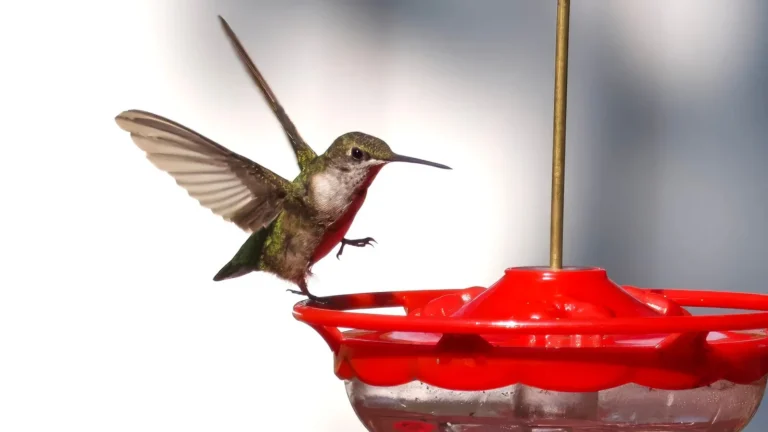
Orioles, tanagers, and catbirds respond well to fresh fruit — orange halves are the classic choice, along with grape jelly offered in a small dish or dedicated oriole feeder. These foods work best during spring migration and early summer, when fruit-eating songbirds are passing through or nesting nearby. Put out modest amounts, since jelly left in the sun can spoil or attract bees and ants, and refresh it every day or two.
Storing Seed So It Doesn’t Go to Waste
Even the right food loses its appeal if it isn’t stored properly. Seed and nyjer are both vulnerable to moisture, which causes clumping and mold, and to heat, which speeds up the breakdown of the oils that make sunflower and nyjer attractive in the first place. Keep bulk bags in a metal or heavy plastic bin with a tight lid, store it somewhere cool and dry — a garage or shed is usually better than a hot porch — and buy only as much as you’ll use in three or four weeks, especially for nyjer. A galvanized steel trash can with a locking lid does double duty: it protects the seed and keeps mice and squirrels from chewing their way in.
If you notice a feeder isn’t being touched even after a week or two, check the food before assuming the birds simply aren’t around. Damp, moldy, or stale seed is one of the most common — and most overlooked — reasons a feeder goes quiet.
Building a Feeding Station That Covers the Bases
You don’t need to buy every food on this list. A practical, cost-effective setup for most North American backyards looks like this:
- A tube or hopper feeder with black oil sunflower seed for the broadest range of songbirds
- A mesh nyjer feeder for goldfinches and siskins
- A suet cage near a tree or fence for woodpeckers and nuthatches
- A low platform or ground scatter of white millet for juncos, sparrows, and doves
That four-part setup, spaced out a bit around the yard rather than crammed onto one pole, will attract a noticeably wider variety of birds than a single feeder filled with generic mix — and it lets you watch which foods your local birds actually prefer, so you can adjust from there.
Related reading
- How to Identify Common Backyard Birds: A Beginner’s Field Guide
- Feeding Backyard Birds in Winter: A Cold-Weather Guide
- Ground-Feeding Birds: Juncos, Doves, and Sparrows
- How to Stop Birds From Hitting Your Windows
Sources & further reading
Fill the feeder around the birds you want, not the label on the bag. When you’re shopping, black-oil sunflower seed makes the biggest difference — take a moment to see current options on Amazon. Full disclosure — the Amazon links below are affiliate links. We may earn a little on qualifying purchases; you pay the same either way.