How to Attract Bluebirds to Your Yard
Few backyard birds generate as much excitement as a bluebird. That flash of sky-blue and rusty orange perched on a fence post or nest box feels like a reward for doing something right in your yard — and in a real sense, it is. Bluebirds are picky about habitat in ways that chickadees and sparrows simply aren’t, which means attracting them takes a bit more planning than filling a tube feeder. The good news is that once you understand what bluebirds actually need, drawing them in is very achievable, even in yards that don’t back up to open farmland.
Understand What Bluebirds Are Looking For
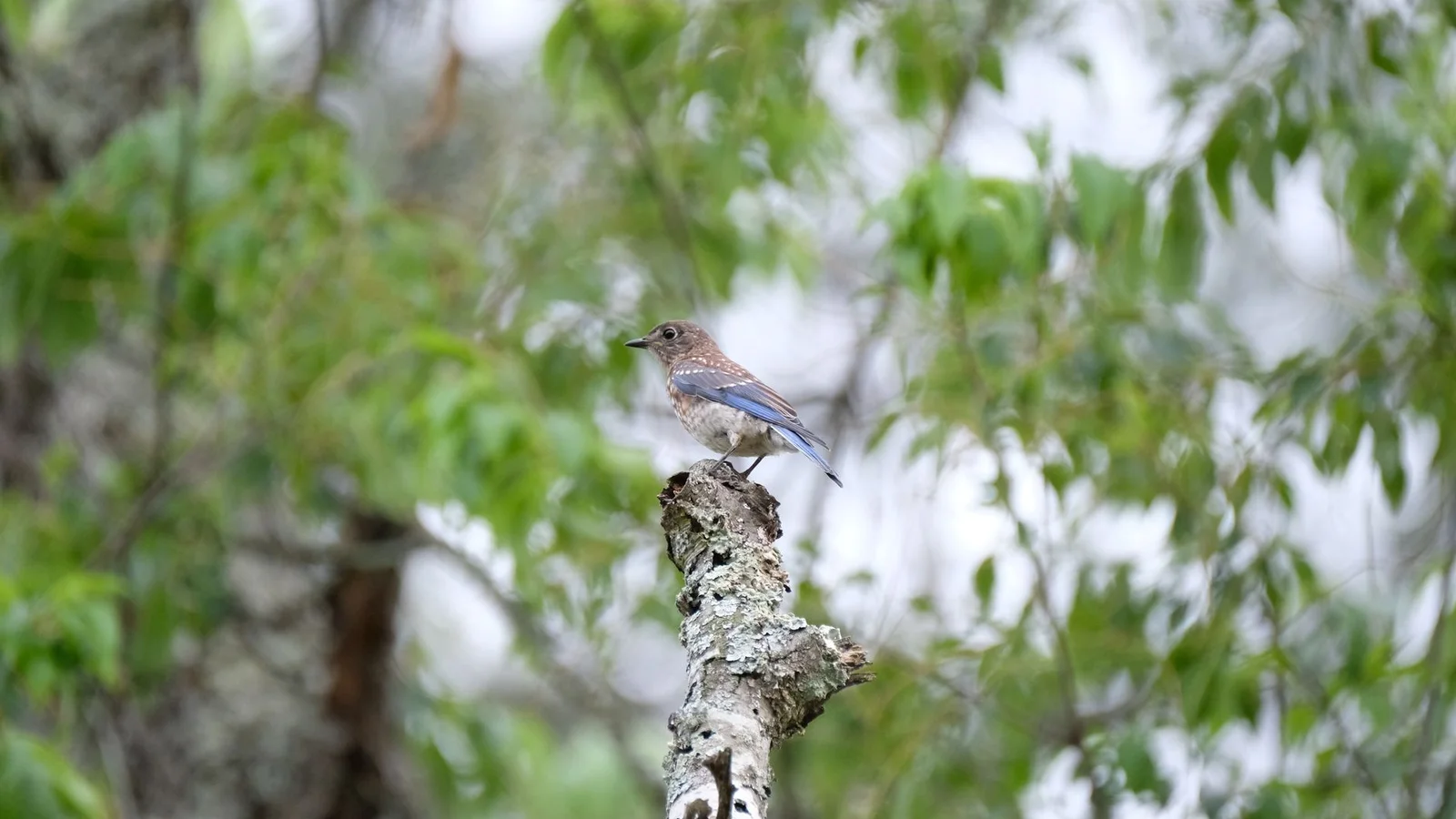
Eastern, western, and mountain bluebirds are all cavity-nesting birds that evolved around open, grassy habitat with scattered trees — think old pastures, orchards, golf courses, and large lawns edged by woods. They hunt largely by sight, perching on a low branch, post, or wire and dropping down to catch insects on the ground. That means a densely wooded, heavily shaded, or entirely paved yard is a tough sell for bluebirds no matter what you put out, while a yard with open lawn, a fence line, or a nearby field has a real shot.
If your property backs onto open space — a park, meadow, golf course, or farmland — you’re already in decent bluebird territory. If you’re in a dense urban or heavily wooded setting, bluebirds are less likely, though it’s still worth trying, especially during migration.
Put Up a Proper Nest Box
A nest box is the single most effective thing you can do to attract bluebirds, especially during breeding season from early spring through summer. Bluebird boxes have specific requirements that differ from a generic birdhouse:
- An entrance hole of about 1.5 inches in diameter for eastern and western bluebirds (mountain bluebirds need slightly larger, around 1 9/16 inches) — small enough to exclude starlings, large enough for bluebirds
- No perch below the entrance hole, which only helps predators and competing birds like house sparrows
- Ventilation gaps near the roofline and drainage holes in the floor
- A side or front panel that opens for monitoring and end-of-season cleaning
Mount the box on a smooth metal pole, five to six feet off the ground, facing away from prevailing wind and harsh afternoon sun, ideally with a clear flight path in front of it and some open ground nearby for hunting insects. A predator baffle — a simple cone or cylinder of sheet metal around the pole — makes a real difference in keeping snakes, raccoons, and cats from raiding the nest.
Space matters too. Bluebirds are territorial, so if you’re putting up more than one box, keep them at least 100 yards apart, or pair two boxes about 15–20 feet apart specifically to give tree swallows a spot nearby, which reduces competition for the bluebird box.
Offer Mealworms — Live if You Can
Bluebirds are primarily insect-eaters, and mealworms are by far the most reliable food for bringing them to a feeding station. Live mealworms get noticed fastest, but dried mealworms work too, particularly if you soak them briefly in water before putting them out. Use a shallow dish or a specialized bluebird feeder — a small box with an entrance that excludes larger birds — placed on a post or platform rather than hung from a hook, since bluebirds are more comfortable feeding at a fixed, stable perch than swinging in the air.
Offer mealworms in small amounts, once or twice a day, rather than leaving out a large pile. This limits spoilage and also trains bluebirds to check the feeder at a predictable time, which increases the odds you’ll actually see them.
Skip the Sunflower Seed
Bluebirds generally won’t touch standard sunflower-based seed mixes — their bills and feeding habits just aren’t suited to cracking seed the way finches and chickadees do. A yard that’s only stocked with a sunflower feeder can look “full of birds” and still have zero bluebirds. If you want bluebirds specifically, mealworms, suet-based bluebird nuggets (a commercial product made from suet, fruit, and mealworms rather than a chore for you to prepare), and fresh water will do far more than any seed blend.
Keep the Landscape Open and Insect-Friendly
Because bluebirds hunt insects from a perch, a yard that supports a healthy insect population helps as much as any feeder. A few practical steps:
- Reduce or eliminate broad insecticide use on your lawn, since it removes the food bluebirds are hunting for
- Keep some open lawn or short grass area near the nest box or feeding station
- Leave a few dead or dying tree snags standing if it’s safe to do so — they hold insects and sometimes double as natural cavities
- Add a low perch, like a shepherd’s hook or bare branch, near open ground to give bluebirds a hunting post
The Short Bluebird Shopping List
Bluebirds are fussy, so the list is short and specific:
Where to start: Dried mealworms — a bluebird’s number-one draw. You can see current options on Amazon. As an Amazon Associate, Feeder Flock earns from qualifying purchases. Your price never changes.
Add Water, Especially Moving Water
A bird bath earns its keep with bluebirds just as much as feeders do. Shallow water, no more than two inches deep at the edges, with a rough or textured bottom for grip, is ideal. Bluebirds are drawn even more strongly to the sound and movement of a dripper or small fountain, which can help your bath stand out to birds passing overhead. Keep it clean and refreshed regularly, since stagnant water is both unappealing and unhealthy.
Watch for Competition From House Sparrows and Starlings
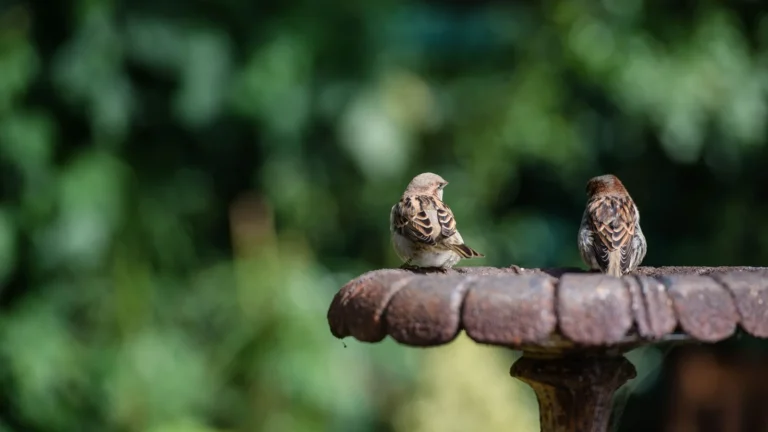
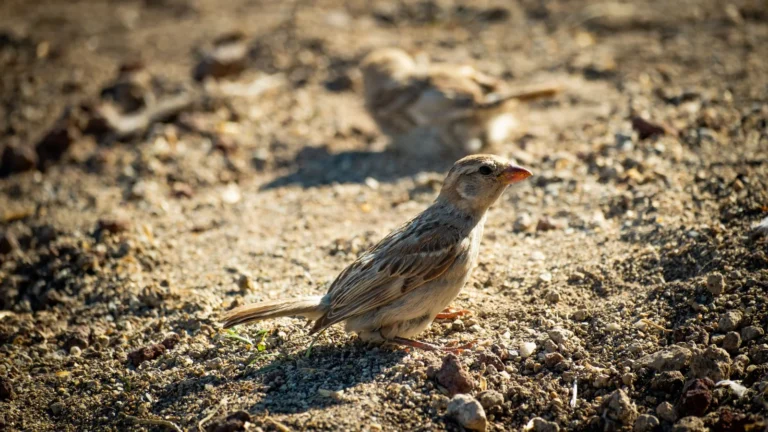
The biggest threat to a bluebird box usually isn’t a predator — it’s a house sparrow. Non-native house sparrows will aggressively take over nest boxes, sometimes destroying bluebird eggs or killing adults in the process. Monitoring your box every few days during nesting season lets you catch a house sparrow nest early (messy grass nests, often with trash mixed in) and remove it before it’s established. Starlings are usually excluded automatically by the smaller entrance hole size, which is one more reason to stick to correct bluebird box dimensions rather than a generic birdhouse.
Consider Which Bluebird You’re Dealing With
North America is home to three bluebird species, and knowing which one lives in your area helps set realistic expectations. Eastern bluebirds range across the eastern two-thirds of the country and into southern Canada, favoring open farmland, meadows, and yards with scattered trees. Western bluebirds occupy open woodlands and oak savanna along the Pacific coast and interior West, often at slightly higher elevations. Mountain bluebirds, the palest of the three with almost no rust coloring on the male, prefer even more open, high-elevation grassland and sagebrush country in the western mountains and plains. All three respond to the same basic strategy — a properly sized nest box, mealworms, open hunting ground, and water — but the odds of success depend heavily on whether your regional habitat matches what the local species is looking for. A quick check of a regional field guide or range map before you invest in a box and feeder setup can save some disappointment.
Be Patient
Bluebirds may not find a new box or feeding station immediately — it can take a full season or even two for a pair to discover and settle into a new spot, particularly if there isn’t already a local population nearby. Checking in with a regional bluebird trail organization or state ornithological society can also tell you how common bluebirds already are in your area and whether nearby boxes have been active, which is a good sign your yard is on their radar.
Attracting bluebirds rewards patience and the right setup more than luck. Get the box dimensions right, keep mealworms on offer, protect some open hunting ground, and add clean water, and you’re giving bluebirds everything they’re actually looking for — which puts the odds firmly in your favor.
Related reading
- How to Attract More Songbirds to a Small Yard or Balcony
- Best Plants and Shrubs to Attract Birds to Your Yard
- How to Attract Woodpeckers with Suet
- How to Attract Goldfinches with Nyjer and Sunflower