How to Attract Cardinals to Your Backyard Feeder
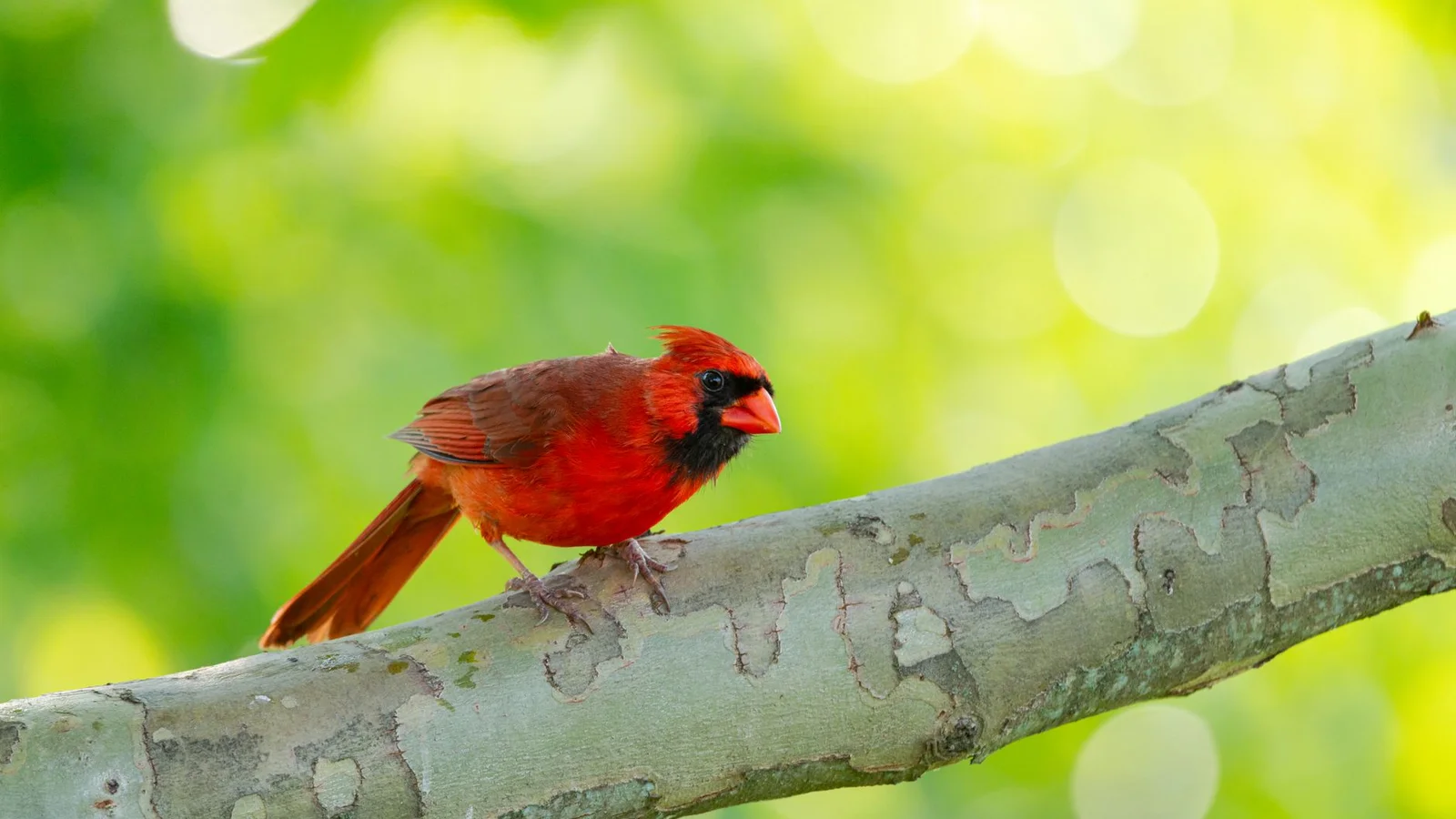
A flash of red at the feeder changes everything. Cardinals are the bird that turns casual yard-owners into full binocular people — vivid, loyal, present year-round in most of the eastern and central US, and famously devoted in pairs. They’re also particular. If your feeder gets sparrows and finches but never that red visitor, it’s almost always one of four fixable things: the food, the feeder, the cover, or the timing.
Serve what cardinals actually want
Cardinals have big, powerful seed-cracking beaks, and their menu preferences are clear: black oil sunflower seed is the staple, safflower is the strategic pick (cardinals love it; squirrels and grackles mostly don’t), and striped sunflower and cracked corn round out the buffet. Cheap mixed seed heavy on milo and millet fillers attracts everything except cardinals — if your bag’s ingredient list starts with milo, that’s your problem.
Get the feeder right
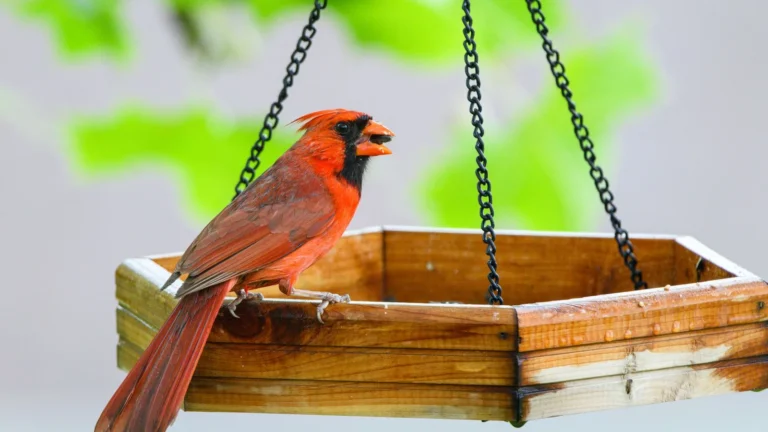
Cardinals are chunky birds — 8 to 9 inches — and they physically can’t use the small perches on tube feeders designed for finches. What works: hopper feeders with wide ledges, platform and tray feeders, or simply a sturdy tray of safflower on a pole. They also happily ground-feed on seed scattered beneath. Mount feeders 5–6 feet up, and give them a stable perch; cardinals dislike feeders that swing wildly.
Cover is non-negotiable
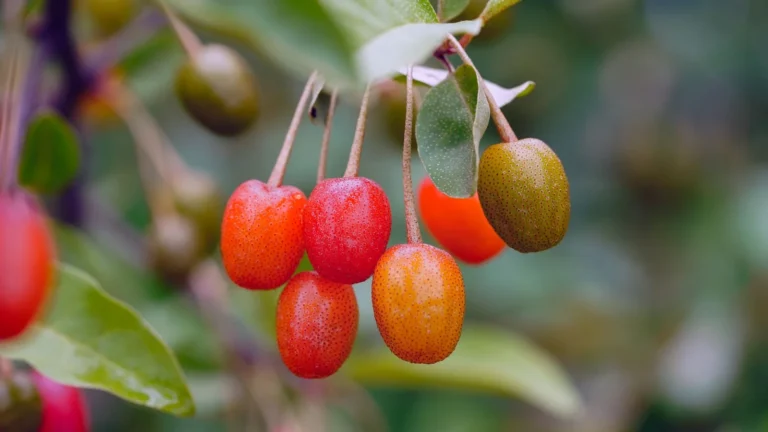
Here’s the piece most yards miss: cardinals are edge birds. They want dense shrubs or evergreens within 10–15 feet of the feeder — close enough to dart to safety, far enough that ambush predators can’t leap from cover. A yard with a feeder in the middle of open lawn will get bold house sparrows and not much else. Native options cardinals love: dogwood, serviceberry, viburnum, and evergreens like juniper and spruce, which double as winter roosts and nesting sites. Bonus: many of those shrubs produce berries cardinals eat in fall.
Water and timing
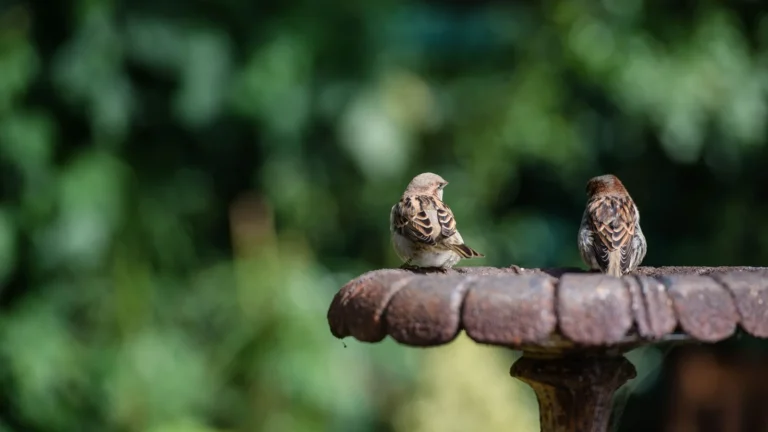
A birdbath — especially one with moving water — is a cardinal magnet many feeders-only yards never try. Keep it shallow (1–2 inches) and unfrozen in winter if you can. As for timing: cardinals are famously the first and last birds at the feeder, active in the dim edges of dawn and dusk. If you refill mid-day and judge results by afternoon traffic, you may be missing your regulars entirely. Keep feeders stocked overnight for the early shift.
Winter is your recruiting season
Cardinals don’t migrate — the pair you feed in January is the pair nesting in your viburnum in May. Winter is when natural food is scarcest and your feeder matters most, and it’s also when cardinals gather in loose flocks; a reliable winter feeding station can bring a dozen at once, males glowing against the snow. Start now, stay consistent, and by spring you’re not attracting cardinals anymore. You’re hosting them.
The quick checklist
Black oil sunflower or safflower in a stable hopper or tray feeder, 5–6 feet up, within sight of dense shrubs, water nearby, stocked at dawn and dusk, all winter long. Do those six things and the flash of red isn’t luck — it’s a schedule.
Related reading
- How to Attract More Songbirds to a Small Yard or Balcony
- Platform, Tube, or Hopper: Choosing the Right Bird Feeder
- Best Plants and Shrubs to Attract Birds to Your Yard
- How to Identify Common Backyard Birds: A Beginner’s Field Guide
Sources & further reading
Getting Set Up for Cardinals
Cardinals reward a little planning. Skip the fancy brands and match the gear to what they want: As an Amazon Associate, Feeder Flock earns from qualifying purchases. Your price never changes.
| What to look for | Best for |
|---|---|
| safflower seed | Cardinals love it; squirrels and grackles mostly pass |
| an open cedar platform feeder | The open landing space cardinals prefer |
| a sturdy hopper or tube feeder | Keeps seed dry and gives a solid perch |