Feeding Backyard Birds in Winter: A Cold-Weather Guide
When temperatures drop and snow blankets the ground, backyard bird feeding shifts from a pleasant hobby into something that can genuinely help your local birds survive a hard winter. Natural food sources — insects, seed heads, berries, and open water — become scarce or locked under ice right when birds need the most calories to stay warm. A well-stocked, well-placed feeding station can make a real difference for chickadees, nuthatches, cardinals, and the dozens of other species that tough out the cold rather than migrate. Here’s how to feed smart through the winter months.
Why Winter Feeding Is Different
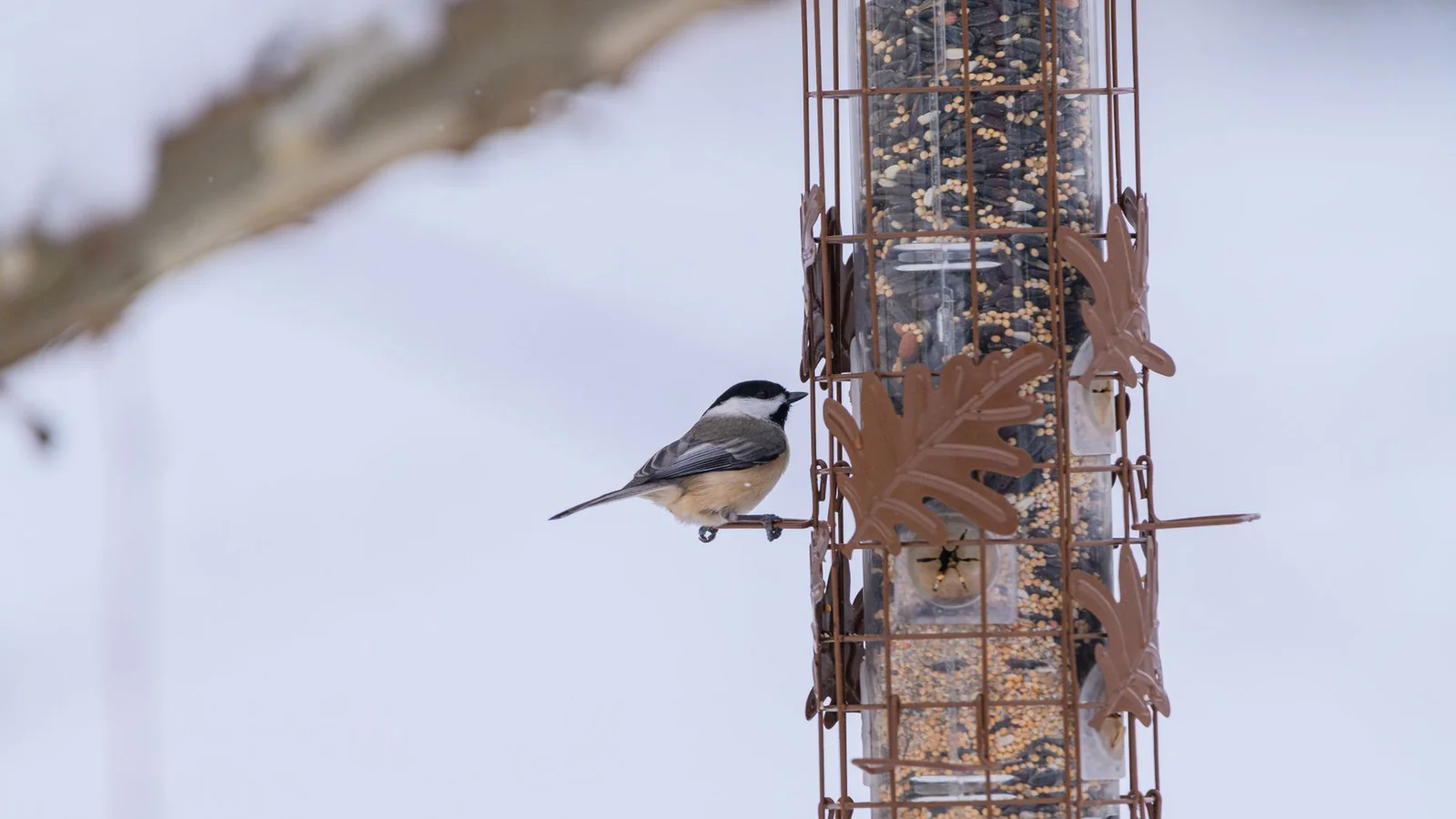
Small birds lose heat quickly because of their high surface-area-to-body-mass ratio, so they need to eat almost constantly during short winter days to build enough fat reserves to survive long, cold nights. A chickadee, for example, may need to visit a feeder dozens of times a day just to keep its metabolic furnace running. That means consistency matters more in winter than in any other season — birds that come to rely on a feeder will suffer if it suddenly runs empty during a cold snap.
This doesn’t mean you’re “trapping” birds into dependency. Wild birds use dozens of food sources across their territory, and feeders are just one stop on their daily rounds. But once local birds have mapped your yard as a reliable spot, try to keep seed available through stretches of severe weather rather than letting the feeder sit empty for days at a time.
The Best Winter Foods
Not all bird food is created equal when the goal is packing in calories and fat. Focus your winter offerings on foods that deliver the most energy per bite:
- Black oil sunflower seed — The single best all-around winter food. Its thin shell is easy for small birds to crack, and the kernel is high in fat.
- Suet — Rendered beef fat pressed into cakes is a cold-weather staple, especially for woodpeckers, nuthatches, and wrens. Suet provides quick, dense energy exactly when birds need it most.
- Peanuts — Shelled or in-shell peanuts (offered in a mesh feeder) are high in fat and protein and attract jays, titmice, and woodpeckers.
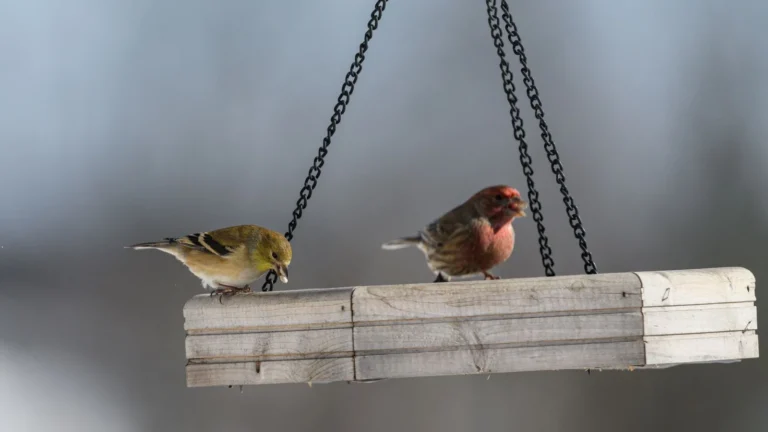
- Nyjer (thistle) seed — A favorite of finches, including goldfinches, which stay in many regions all winter and turn a duller olive color in the cold months.
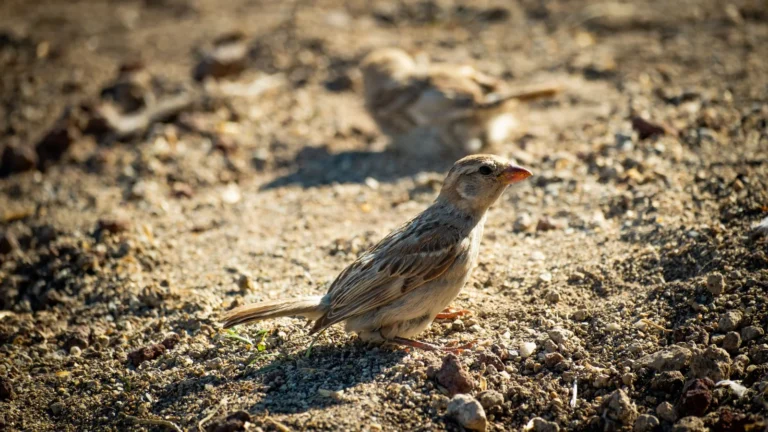
- White proso millet — Scattered on the ground or a tray feeder, millet draws juncos, sparrows, and doves that prefer to feed close to the earth.
Avoid cheap seed mixes padded with milo, wheat, and red millet — most backyard birds pick around these fillers and kick them onto the ground, where they attract rodents instead of birds.
Suet: Your Winter MVP
If you only add one thing to your feeding station for winter, make it suet. Look for “no-melt” or high-render suet cakes designed to hold together even in warmer winter spells, and hang them in a cage feeder that lets birds cling and peck. Woodpeckers, nuthatches, chickadees, and even bluebirds in some regions will take advantage of suet when insects are impossible to find. You can also offer natural, unprocessed beef suet from a butcher if you render it yourself, though commercial cakes are more convenient and less prone to spoiling or turning rancid.
Water Matters as Much as Food
In freezing weather, open water can be harder for birds to find than food. Ponds and puddles ice over, and birds need water both to drink and to keep their feathers in good condition for insulation. A heated bird bath, or a standard bath fitted with a submersible or in-bath deicer, will often out-draw your feeders entirely on the coldest days. Keep the water shallow — one to two inches is plenty — and check it daily to make sure the heating element is working and the basin is clean.
Feeder Placement for Cold, Windy Days
Where you hang feeders matters more in winter than in summer. Birds are burning precious calories with every flight, so a feeding station that’s easy to reach and offers cover nearby helps them feed efficiently and safely.
Tips for winter placement
- Position feeders near evergreen shrubs or a brush pile so birds have a quick escape from hawks and cold wind.
- Avoid open, exposed spots where wind chill is worse and predators have a clear line of sight.
- Group two or three feeder types together (seed, suet, and a ground tray) so birds can get a full winter diet in one visit rather than expending energy flying between distant stations.
- Keep feeders a few feet off the ground and away from deep snow so seed doesn’t get buried or soaked.
Dealing with Snow, Ice, and Frozen Seed
Wet snow and freezing rain can turn seed into a soggy, moldy clump or seal a feeder shut with ice. Check feeders after storms and clear off accumulated snow from roofs and trays. If seed has gotten wet and started to clump or smell musty, toss it — moldy seed can make birds sick. Tube feeders with a metal or plastic dome cap handle winter weather better than open trays, since the cover keeps most precipitation off the seed ports. For ground-feeding species like juncos and sparrows, sweep or shovel a small patch clear after heavy snow so they have somewhere to forage.
Don’t Forget Grit and Extra Fat
Birds don’t have teeth, so they rely on small bits of grit in their gizzard to grind up seeds and food. In regions where snow cover is constant, natural grit sources like bare soil and small stones get buried for weeks at a time. Offering a small dish of coarse sand or chick grit near your feeding station is a simple way to support digestion when the ground is frozen. Peanut butter (mixed with cornmeal to prevent choking hazards) smeared into pinecone crevices or bark is another traditional high-fat winter treat that’s easy to make at home.
Keeping Feeders Clean Even in the Cold
It’s tempting to skip cleaning in winter because everything feels frozen and “sterile,” but mold, bacteria, and droppings can still build up on perches and feeding ports even in cold weather. Aim to brush out debris and give feeders a scrub every couple of weeks with hot water, and let them dry fully before refilling. This is especially important around suet cages and tray feeders, where droppings accumulate fastest.
A Simple Winter Feeding Routine
Consistency is the real secret to winter bird feeding success. Try to fill feeders at the same time each day — many hobbyists like to top off in the late afternoon so birds have a full feeder to visit first thing the next cold morning, when their energy reserves are at their lowest. Keep a bag of black oil sunflower seed and a couple of spare suet cakes on hand so a surprise snowstorm never catches your feeding station empty.
Winter is when backyard bird feeding matters most, both for the birds and for the reward of watching a snow-covered yard come alive with cardinals, chickadees, and woodpeckers. With the right foods, a reliable water source, and smart feeder placement, you can turn your yard into one of the best refuges in the neighborhood for birds riding out the cold.
Related reading
- Ground-Feeding Birds: Juncos, Doves, and Sparrows
- How to Identify Common Backyard Birds: A Beginner’s Field Guide
- What to Feed Backyard Birds: A Food and Seed Guide by Species
- How to Start a Backyard Bird-Feeding Station: A Complete Beginner’s Guide
Sources & further reading
Cold-Snap Shopping Notes
Winter feeding comes down to fat and open water. Look for the type, not the label:
No-melt suet cakes — high-fat fuel that holds up in the sun; you can see current options on Amazon. A heated bird bath — open water is scarcer than food in winter; you can compare today’s listings on Amazon. A high-fat seed blend — sunflower, peanuts and suet nuggets; you can browse the range on Amazon. A tail-prop suet feeder — steady footing for woodpeckers; you can check current picks on Amazon.
Full disclosure — the Amazon links below are affiliate links. We may earn a little on qualifying purchases; you pay the same either way.