Ground-Feeding Birds: Juncos, Doves, and Sparrows
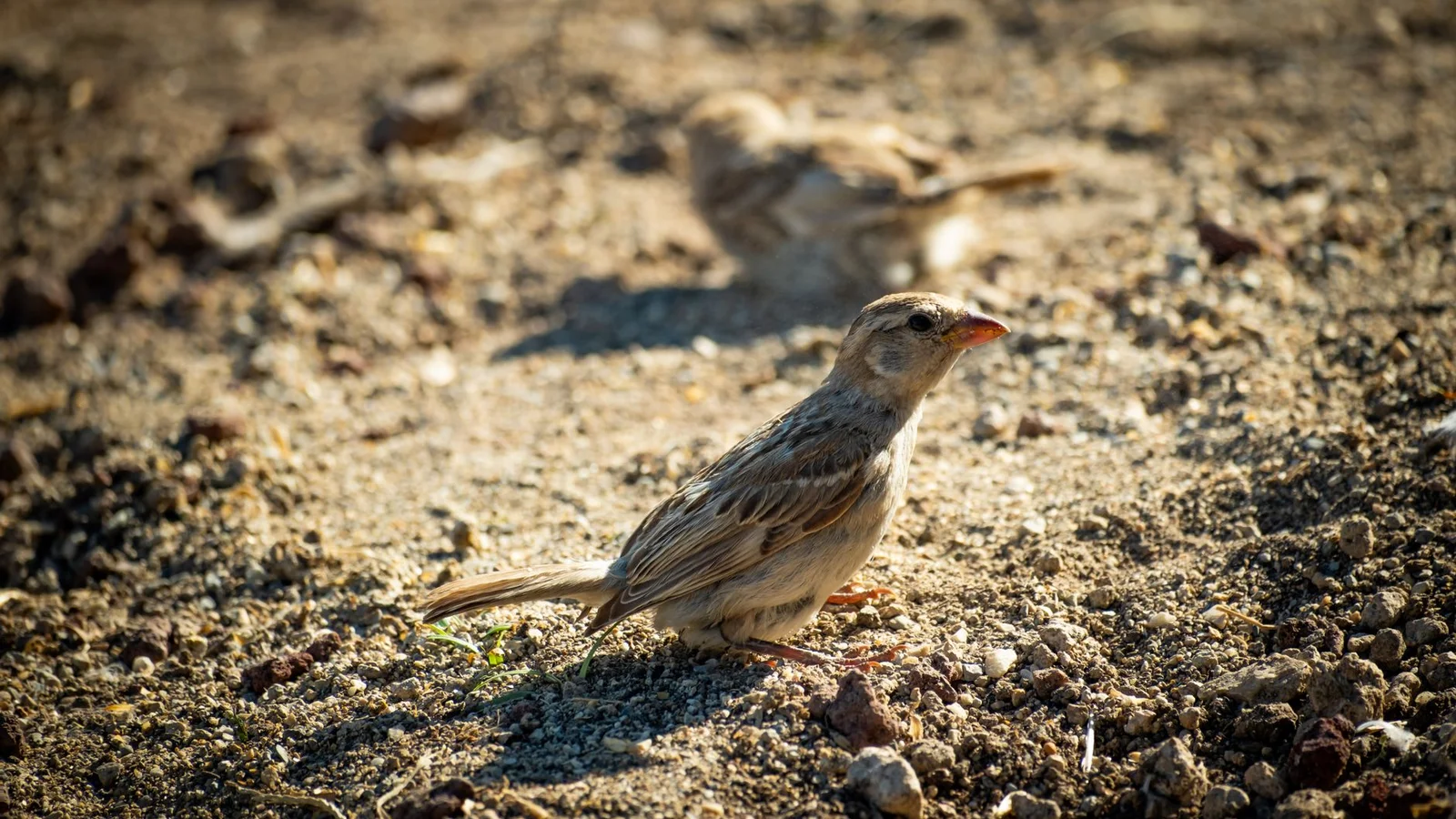
Not every bird in your yard wants to eat 5 feet in the air from a hanging tube feeder. A whole group of backyard regulars — juncos, mourning doves, various sparrows, and towhees among them — are ground foragers by nature, more comfortable hopping and scratching through leaf litter and fallen seed than perching on a swinging feeder port. If your feeder setup only caters to perching birds, you’re missing out on some of the most reliable, entertaining visitors a yard can have. Here’s how to feed and attract ground-feeding birds successfully, and how to do it without inviting a rodent problem.
Meet the Ground-Feeding Regulars
Dark-eyed juncos are probably the most recognizable ground feeders across most of North America in winter, arriving from their breeding grounds up north and spending the cold months scratching through seed scattered beneath feeders. Their slate-gray upperparts, white bellies, and flash of white outer tail feathers when they fly make them easy to identify. Mourning doves are larger, plump, soft brown birds that feed almost exclusively on the ground, often in pairs or small flocks, and their distinctive cooing call is one of the most familiar backyard sounds in the country. Sparrows are the most diverse group — white-throated sparrows, song sparrows, white-crowned sparrows, chipping sparrows, and fox sparrows all forage low to the ground, often in brushy edges near open feeding areas. Eastern and spotted towhees round out the group, distinctive for their double-scratch foraging technique, kicking both feet backward simultaneously to expose seeds and insects hidden under leaves.
Why a Hanging Feeder Alone Won’t Cut It
Ground feeders are physically adapted for foraging low, not clinging to a perch or hovering at a port. Some, like doves and towhees, can technically use a platform feeder if it’s positioned close to the ground, but many simply won’t visit an elevated tube or hopper feeder at all. If your only feeding station is 4 feet up on a pole, you may be feeding chickadees and finches beautifully while a whole community of ground specialists passes through your yard without ever stopping. The fix is straightforward: give them a feeding option at the level they actually use.
Setting Up a Ground Feeding Station
Low Platform Feeders
A simple platform feeder — a flat, open tray with low sides — placed just a few inches off the ground works well for most ground feeders while still keeping seed slightly cleaner and drier than scattering it directly on soil. Mesh-bottomed platforms are ideal because they let rainwater drain through instead of pooling and rotting the seed.
Direct Ground Scattering
Simply scattering seed on a cleared patch of ground, or on packed snow in winter, mimics natural foraging conditions and is exactly what juncos and sparrows are built for. The tradeoff is that scattered seed is more exposed to moisture, mold, and can attract more rodents if not managed carefully.
Ground-Level Seed Mats or Trays
A large, shallow tray or even an old baking sheet placed on the ground gives you the benefits of scattering — natural, easy access — with the ability to pick it up, dump old seed, and refresh it regularly.
Whichever method you choose, place it in a semi-open spot with some nearby cover, such as a low shrub or brush pile. Ground feeders are more vulnerable to predators than birds at an elevated feeder, so they favor spots where they can dash to cover within a second or two, but still need enough open space to see danger coming.
Best Foods for Ground Feeders
Millet is the single best food for most ground-feeding species — white proso millet in particular is a favorite of juncos, sparrows, and doves, and it’s usually the least expensive component of any birdseed mix. Cracked corn is another strong choice, especially for doves. Black oil sunflower seed works for ground feeders too, though the hulls will pile up if not eaten cleanly, so mix it with millet rather than using it alone on the ground. Avoid seed mixes that are heavy on filler grains like red milo or wheat, which most ground feeders will kick aside looking for something better, wasting seed and creating a moldy mess.
Managing the Mess and the Rodent Risk
Ground feeding does carry more housekeeping responsibility than a hanging feeder. Uneaten seed sitting on damp ground can grow mold, which is genuinely harmful to birds, and spilled seed is an open invitation to mice and rats if it accumulates. A few practices keep this in check:
- Only put out as much seed as will be cleaned up within a day, especially in warm or wet weather.
- Rotate the exact spot you scatter seed every few days so waste doesn’t build up in one place.
- Rake or lightly till the feeding area occasionally to clear hulls and debris.
- Avoid ground feeding right up against your house foundation; keep it out toward the middle or edge of the yard instead.
- Bring in any tray or platform feeder at night if rodent activity becomes a problem.
Predator Awareness
Because ground feeders forage in the open, they’re more exposed to cats, hawks, and other predators than birds using an elevated feeder. If you have outdoor cats in the neighborhood, this is worth taking seriously — ground feeding stations should never be placed near dense shrubs where a cat could hide within pouncing distance, even though the birds themselves want some cover nearby. A reasonable middle ground is to place ground feeding areas roughly 10 to 15 feet from cover, close enough for a quick escape but too far for an ambush. If you notice a hawk regularly patrolling your yard, it’s actually a sign your feeding station is working as a genuine part of the local food web — but you can give smaller birds a fighting chance by ensuring escape cover is genuinely nearby, not decorative.
Winter Feeding Makes the Biggest Difference
Ground feeders are especially reliant on supplemental feeding in winter, when snow cover buries natural seed sources and insects are unavailable. Juncos, in particular, are often called “snowbirds” for their habit of arriving with the first cold snaps, and a consistent ground feeding station can make a real difference to their winter survival in harsh climates. Clearing a patch of snow down to bare ground or leaf litter before scattering seed helps birds find food faster and reduces how much gets buried and wasted.
Identifying Who’s Visiting
Once a ground station is up and running, it’s worth taking a few minutes to actually sort out who’s who, since several species overlap in size and coloring at a glance. Song sparrows have a heavily streaked breast with a central dark spot, while chipping sparrows show a clean gray breast and a rusty cap. White-throated sparrows have a bold white throat patch and yellow spot between the eye and bill, and are usually among the largest sparrows at a ground station. Juncos are the easiest to pick out once you know the pattern: uniformly dark gray or brown above, crisp white below, with that flash of white tail feathers in flight. Towhees are unmistakable once seen well, with rufous flanks, a dark hood, and that distinctive two-footed backward hop through leaf litter. Keeping a simple field guide or bird ID app handy near your ground feeding area makes this kind of sorting quick and genuinely rewarding over a season.
A Simple Addition With a Big Payoff
Adding a ground feeding option is one of the easiest upgrades you can make to an existing feeder setup, and it often brings in species you’d otherwise never see up close. A single low platform or a cleared patch of scattered millet can turn a yard that only had chickadees and finches into one buzzing with juncos scratching through the leaves, doves waddling underfoot, and sparrows working the brush pile at the edge. Keep it clean, keep some cover nearby, and you’ll have a whole new cast of regulars within days.
Related reading
- Feeding Backyard Birds in Winter: A Cold-Weather Guide
- How to Stop Birds From Hitting Your Windows
- Best Plants and Shrubs to Attract Birds to Your Yard
- How to Identify Common Backyard Birds: A Beginner’s Field Guide
Sources & further reading
Serving the Ground Crew
What actually matters when you’re shopping? Juncos, doves and sparrows feed low, so serve them dry and close to the ground.
Do you recommend one specific model? Honestly, no — we haven’t tested every product on the market, so we point you toward categories rather than a single SKU. For a covered ground platform feeder, a tray with a roof keeps seed dry; you can see current options on Amazon. For white proso millet, the ground-feeder favorite; compare today’s listings on Amazon.
Full disclosure — the Amazon links below are affiliate links. We may earn a little on qualifying purchases; you pay the same either way.