How to Stop Birds From Hitting Your Windows
It’s one of the most heartbreaking sounds a backyard birder knows: a soft thud against the glass, followed by silence. Window collisions kill an enormous number of birds every year in North America, and the sad irony is that the more successful you are at attracting birds to your yard with feeders and plantings, the more you may be putting them at risk if your windows aren’t addressed. The good news is that window strikes are one of the most preventable causes of bird death, and fixing the problem doesn’t require replacing your windows or living in the dark. Here’s what actually works.
Why Birds Hit Windows in the First Place
Birds don’t understand glass. To a bird in flight, a window either looks like open sky and trees reflected back at it, or it looks like a clear flight path straight through your house to the plants or sky visible on the other side. Reflections are the biggest culprit — a window reflecting a tree line or cloudy sky reads as more habitat to fly into, not a solid barrier. Glass that offers a see-through view, such as two windows on opposite sides of a room or a glass corner, creates the illusion of an open passage. Collisions happen most often during the day, and spike during spring and fall migration when tired, disoriented birds are moving through unfamiliar territory, as well as any time a feeder is placed close enough to a window that a startled bird bolts straight into the glass.
The Feeder Placement Rule Every Birder Should Know
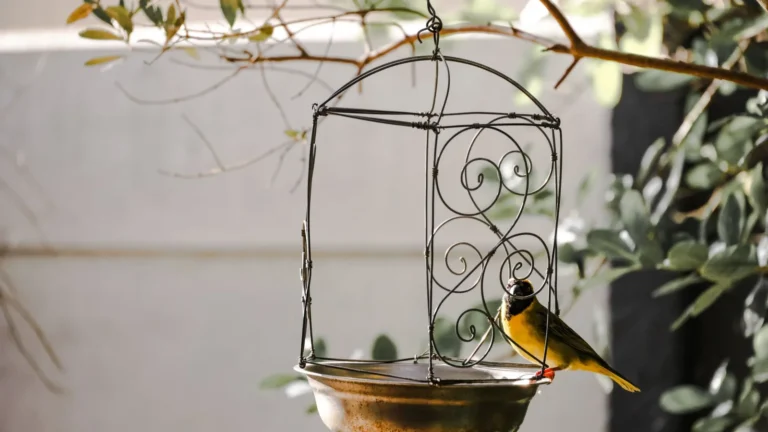
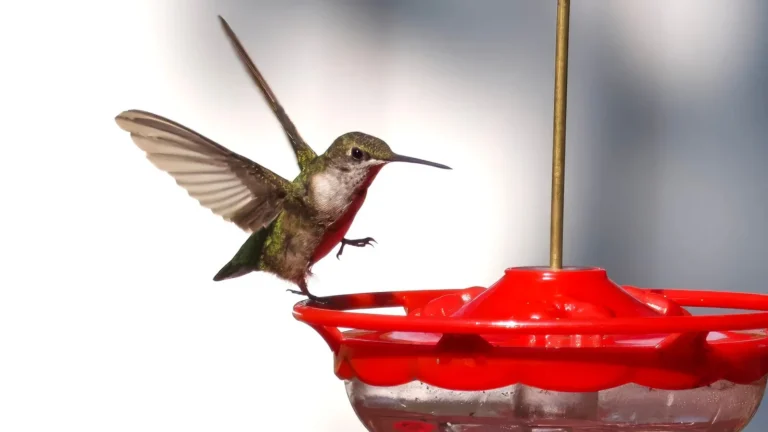
One of the simplest fixes is also one of the most counterintuitive: move your feeder either very close to the window or quite far away, never in between. Feeders placed 3 feet or less from the glass mean a bird startled off the feeder can’t build up enough speed to injure itself seriously in a collision — it’s basically hopping off, not launching into flight. Feeders placed more than 30 feet away give birds enough distance to correctly perceive the house and its reflections as a solid object to avoid. The danger zone is the middle distance, roughly 5 to 25 feet, where birds take flight fast enough to hurt themselves but the window is still close enough to be mistaken for open space. If you can’t move an existing feeder, treating the nearby window (see below) matters even more.
Treating the Glass: What Actually Works
The core principle behind every effective solution is the same: break up the reflective, see-through surface with visual markers spaced closely enough that birds recognize it as a solid barrier, not a gap to fly through. Random or widely spaced decals don’t work — birds can and will fly through the gaps between them.
The 2×4 Rule
Whatever pattern you use, markings need to be spaced no more than 2 inches apart vertically or 4 inches apart horizontally, applied to the outside of the glass. This spacing is based on the fact that birds generally won’t try to fly through a gap smaller than their own body.
Effective Options
- Window film or tape: Purpose-made bird-safe films use dot patterns or lines that are visible to birds (some are UV-reflective, visible to birds but nearly invisible to humans) while still letting light through. These are applied to the outside of the glass and are one of the most reliable long-term fixes.
- Paracord or string spaced closely: Hanging a grid of thin cord or string across the outside of a window, spaced about 4 inches apart, is a low-cost DIY solution that’s proven effective in studies.
- Tempera paint or soap markers: Painting a pattern directly on the outside of the glass is cheap, washes off with rain or a hose, and works well for a seasonal fix during migration.
- External screens: Mesh screens mounted a few inches off the glass absorb the impact if a bird does fly toward the window, acting like a trampoline rather than a hard stop.
- One-way transparent film: Allows you to see out clearly while presenting an opaque or patterned surface from outside.
What doesn’t reliably work: a single hawk silhouette decal stuck in the middle of a large window. It only protects the small area immediately around it, and birds will happily fly around it through the rest of the glass.
Simple Changes That Reduce Reflections
Beyond dedicated products, a few habits cut down on strikes considerably. Closing blinds or curtains partway, especially during peak migration in spring and fall, reduces the “clear flight path” illusion. Keeping windows slightly dirty or adding a light film of residue (not ideal aesthetically, but effective) breaks up reflections. Moving houseplants away from the direct sightline of a window keeps birds from mistaking your living room for a shady spot to land. If you’re building or renovating, angling new windows slightly downward or choosing fritted or textured glass eliminates the problem structurally rather than needing after-the-fact fixes.
What to Do If a Bird Hits Your Window
Most birds that hit a window are stunned rather than killed, but they’re vulnerable to predators and shock while recovering. If you find a bird on the ground after a collision, approach quietly and assess whether it’s alert but immobile, in which case it likely just needs time. Gently place it in a covered box (a shoebox with air holes works well) lined with a soft cloth, and keep it somewhere dark, quiet, and away from pets for 30 minutes to an hour. Do not offer food or water. Check periodically, and if the bird is alert and moving, release it outside away from the window. If it shows visible injury, blood, an obviously broken wing, or doesn’t improve after an hour or two, contact a local wildlife rehabilitator rather than trying to care for it yourself.
Focus on the Worst Offenders First
You don’t need to treat every pane in your house at once. Start with the windows nearest your feeders, large picture windows, and any glass that has visible smudge marks or feather traces from previous strikes — those are your repeat offenders. Corner windows and windows that face a reflection of trees or sky are usually the worst. Treating even two or three high-risk windows can dramatically cut down on strikes for a fraction of the cost of a whole-house retrofit.
Seasonal Timing: When Risk Is Highest
Window strikes can happen any day of the year, but risk spikes noticeably during spring and fall migration, typically March through May and again August through October depending on your region. Migrating birds are often traveling through unfamiliar territory at night and landing to rest and refuel during the day, which means they’re encountering your windows for the first time with no prior experience of your yard’s layout. If you only have the bandwidth to put up temporary treatments like tempera paint or removable film, timing that effort around these migration windows gives you the most protection for the least ongoing effort. Winter also carries elevated risk in snowy regions, since a reflective, snow-covered landscape can make windows even harder for birds to distinguish from open space.
A Small Effort With a Big Payoff
Preventing window strikes doesn’t require sacrificing your view or your feeder setup — it just requires making the glass visible to birds the way it’s already visible to you. A roll of bird-safe tape, some paracord, or even soap and a stencil can turn a dangerous window into a safe one in an afternoon. Combined with smart feeder placement, it’s one of the highest-impact, lowest-cost things you can do for the birds you’ve worked so hard to attract.
Related reading
- Ground-Feeding Birds: Juncos, Doves, and Sparrows
- Best Plants and Shrubs to Attract Birds to Your Yard
- How to Identify Common Backyard Birds: A Beginner’s Field Guide
- Bird Bath Basics: Water That Brings in More Birds Than Feeders
Sources & further reading
Breaking up reflections is what stops most window strikes. The piece most people skip is UV window decals, so see current options on Amazon before you commit (and compare today’s listings on Amazon while you’re at it). Heads up: Feeder Flock is an Amazon Associate, so a purchase through these links may send a few cents our way. It never costs you more.