Why Birds Suddenly Stopped Coming to Your Feeder (and How to Win Them Back)
You filled the feeder on Sunday and by Wednesday the yard has gone silent. No chickadees, no cardinals, not even a house sparrow bickering over the perch. It feels personal, but a sudden drop-off is one of the most common things backyard feeder-watchers run into, and it is almost never permanent. Birds are creatures of habit and safety, and when either one is disturbed they simply move down the block until things settle.
Here is how to read the situation and get your flock back, roughly in the order worth checking.
Start with the boring explanation: your seed
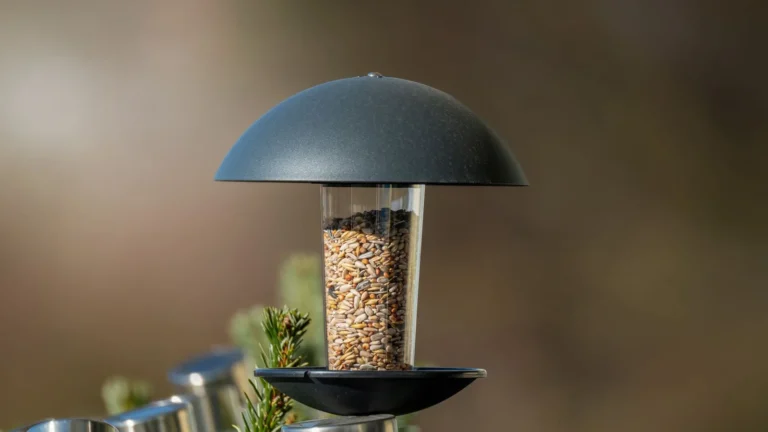
Before you blame a hawk or a neighbor’s cat, look at what is actually in the tray. Seed that has been rained on clumps, grows mold, and develops a sour smell that birds detect long before you do. Sunflower hearts turn rancid in summer heat within a week or two. If the seed looks dull, smells off, or has sprouted, dump it, scrub the feeder, and refill with fresh stock. A surprising share of “my birds left” mysteries end right here.
Cheap bargain mixes cause a slower version of the same problem. They are padded with milo, wheat, and cracked corn that most feeder birds kick to the ground, so the feeder empties without anyone actually eating from it. Black-oil sunflower is the closest thing to a universal favorite, and switching to it often refills a yard within days.
Something scared them
A single frightening event can empty a feeder for the better part of a week. The usual suspects:
- A hawk — Cooper’s and sharp-shinned hawks learn that feeders are buffets. When one starts hunting your yard, the songbirds go quiet and hide. This is natural, it passes, and moving feeders closer to dense shrubs gives small birds an escape route.
- A cat — an outdoor cat patrolling under the feeder is a daily deterrent, not a one-off. Feeders should sit either well out in the open or within a couple of feet of protective cover, never marooned five feet from a bush a cat can hide in.
- You — a new feeder, a moved feeder, a flapping tarp, or a wind chime hung nearby can all read as “danger” to a wary bird. Give any change three or four days before deciding it failed.
Nature is simply feeding them better right now
This is the reason people forget, and it is often the real one. In late summer and early fall, wild food is everywhere: seed heads, berries, and a booming insect population that parent birds prefer for raising young. Your feeder is a convenience store next to a farmers’ market, and the birds vote accordingly. The same feeder that sat ignored in September will be mobbed in January when the natural pantry is bare. Nothing is wrong; the calendar is just working against you.
Breeding season pulls them away
During nesting, adult birds spend their days close to the nest and feed their chicks protein-rich insects rather than seed. Activity at the feeder can drop sharply for a few weeks and then roar back in mid-to-late summer when a wave of clumsy, begging juveniles arrives with their parents. If your slow patch lines up with early summer, patience is the whole fix.
The feeder itself has become a problem
A dirty feeder does more than look bad. Wet, crusted seed and accumulated droppings spread diseases such as salmonellosis and house finch eye disease, and birds will abandon a feeder that has made the flock sick. If you have seen a lethargic, puffed-up bird lately, take every feeder down, scrub it with a nine-parts-water, one-part-bleach solution, let it dry fully, and leave the station empty for a week or two so the flock disperses and any outbreak fades. Clean feeders every couple of weeks as a habit, more often in warm weather.
A quick checklist to bring them back
- Empty and scrub the feeder; refill with fresh black-oil sunflower.
- Move it within a few feet of a shrub or brush pile so small birds have cover.
- Add water — a simple bird bath often out-pulls a feeder, especially in dry spells.
- Give any change four or five days before judging it.
- If you suspect disease, pause feeding for one to two weeks, then restart clean.
Feeders run in rhythms, not straight lines. A yard that empties in October and floods in February is a healthy yard doing exactly what it should. Keep the seed fresh, the feeder clean, and cover close, and the flock almost always comes home.
How long should you wait before worrying?
As a rule of thumb, give any single change three to five days and any seasonal lull two to three weeks before treating it as a real problem. Birds forage over surprisingly wide territories, and a feeder is one stop on a circuit that can cover several yards. When they drop your stop, it is usually because a better option opened up nearby, not because they left the neighborhood. Keep the feeder stocked and clean during the quiet stretch; an empty or moldy feeder during a lull is how a temporary gap becomes a permanent one, because the birds stop checking.
Keep a one-line log
The fastest way to stop guessing is to jot a single line each week: date, weather, what is in the feeder, and roughly who showed up. After a month or two the pattern usually explains itself — you will see the summer insect lull, the fall wild-food glut, and the winter feeder rush appear on schedule. Feeder-watchers who keep even rough notes worry far less, because they can see that last November looked exactly like this November. If you enjoy this, community science projects like Project FeederWatch turn those same notes into data researchers actually use to track bird populations.
Related reading
- How to Attract Cardinals to Your Backyard Feeder
- How to Clean Bird Feeders and Keep Your Flock Healthy
- Hummingbird Feeders: Nectar Recipe, Placement, and Cleaning
Sources & further reading
Ready to stock up? When birds thin out, it’s usually stale seed or a grimy feeder. You can see current options on Amazon for fresh black-oil sunflower seed, or compare today’s listings on Amazon for a feeder cleaning brush set. Heads up: Feeder Flock is an Amazon Associate, so a purchase through these links may send a few cents our way. It never costs you more.