How to Attract Goldfinches with Nyjer and Sunflower
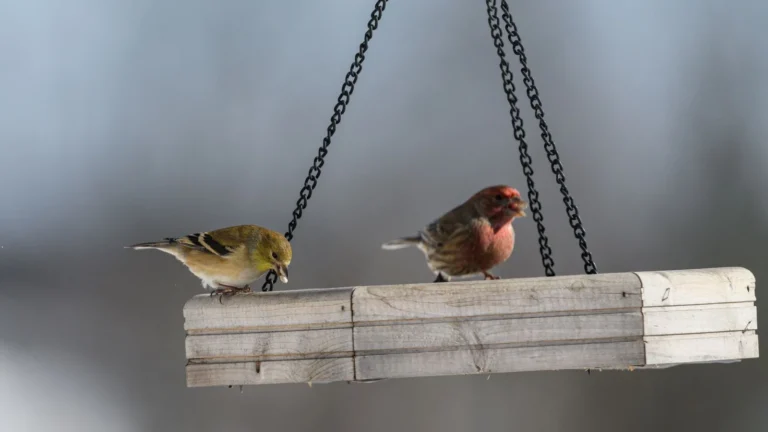
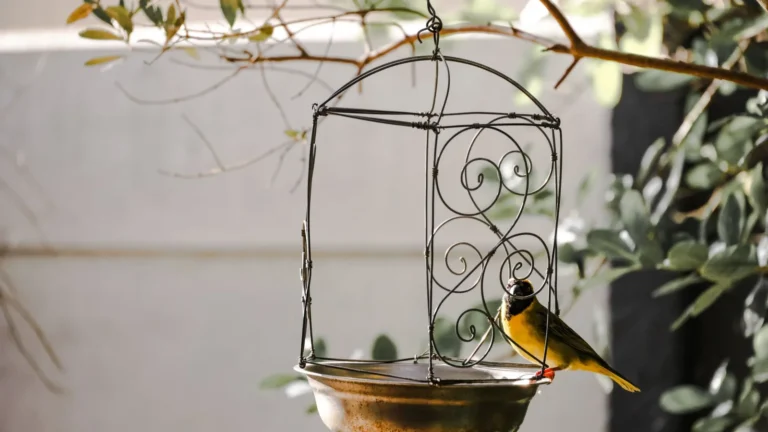
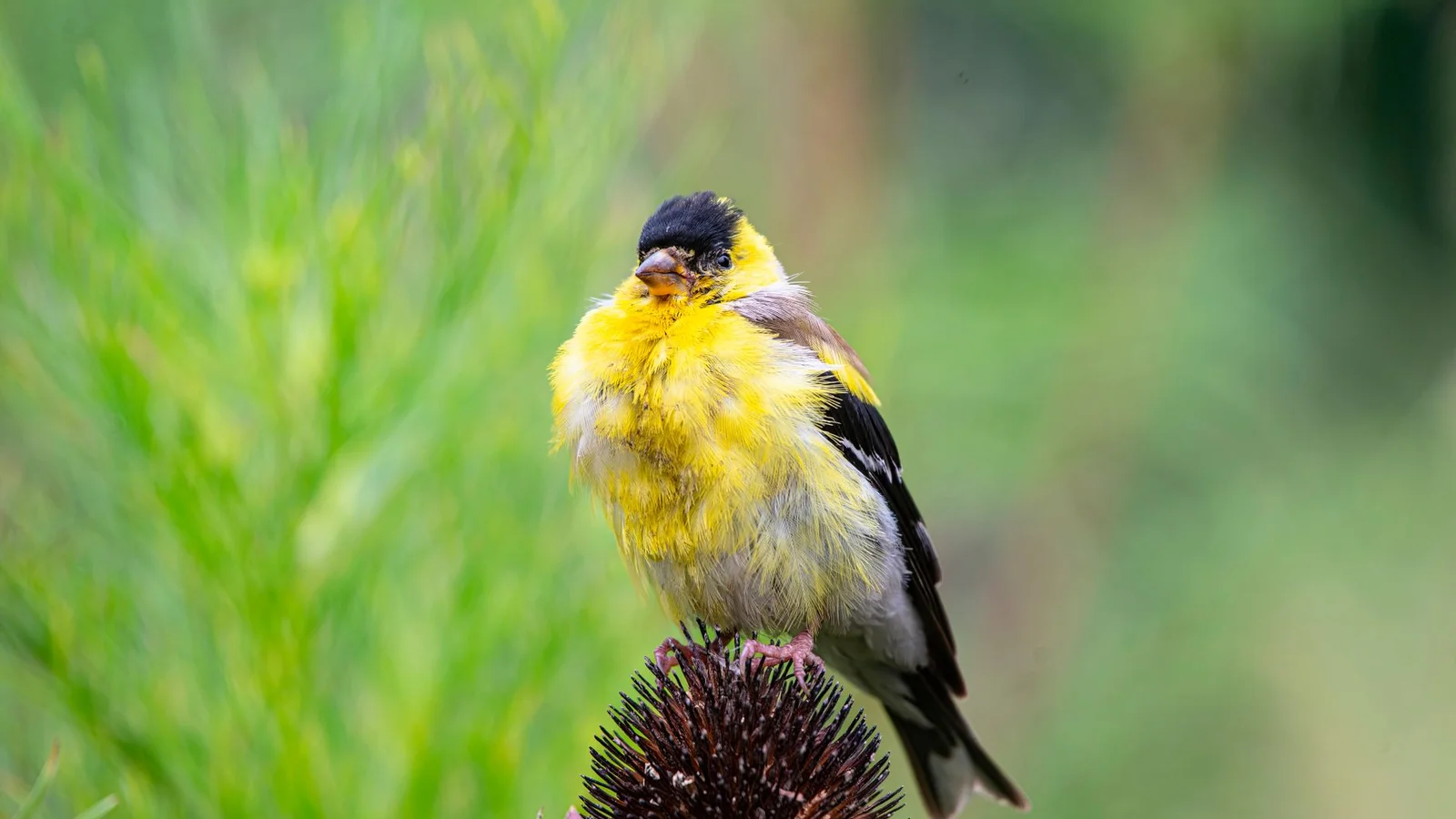
American goldfinches are one of the easiest backyard birds to attract on purpose, once you know what they’re actually looking for. That bright lemon-yellow male in breeding plumage, paired with the more subdued olive-yellow female, is a common visitor across most of the continental United States and southern Canada — and unlike some species that need a very specific habitat to show up, goldfinches will readily use feeders in suburban yards, small gardens, and even balconies. The two keys are nyjer and sunflower, but there’s more to getting consistent visits than just filling a feeder and waiting.
Know Their Feeding Habits
Goldfinches are strict seed-eaters, almost uniquely so among common backyard birds — they rarely eat insects even when feeding their young, which is unusual for songbirds. They favor small, oil-rich seeds they can crack with their conical bills, and in the wild they feed heavily on the seed heads of thistle, sunflowers, coneflowers, and other composite flowers. That natural preference is exactly why nyjer (often sold as “thistle,” though it’s a different, sterilized plant) and sunflower seed work so well as feeder offerings — they mimic what goldfinches already seek out.
Goldfinches also nest later than most songbirds, typically not until mid-to-late summer, timed to coincide with peak thistle and seed availability. That means a well-stocked feeder can matter to them even into July and August, when many other species have already finished nesting.
Nyjer: The Signature Goldfinch Food
Nyjer is a tiny black seed, imported mostly from Ethiopia and India, that’s heat-treated at the border to prevent it from sprouting as an invasive plant. It’s extremely oil-rich, which makes it a favorite of goldfinches, along with pine siskins and common redpolls in the right season and region. Because the seed is so small, it needs a feeder built specifically for it:
- Tube feeders with small nyjer ports — narrow slotted openings that let goldfinches extract seed one piece at a time while limiting waste
- Mesh “finch sock” feeders — a fine mesh bag or sock that goldfinches cling to and pick seed from directly; inexpensive and popular, though they need more frequent cleaning
Nyjer loses its appeal quickly once it’s stale — the oils that make it attractive break down with age, heat, and moisture. Buy it in amounts you’ll use within three or four weeks, and store the bag in a cool, dry spot. If a nyjer feeder sits untouched for more than a week or two with birds active elsewhere in the yard, stale seed is the most likely explanation, and it’s worth dumping it and starting fresh.
Sunflower Seed and Sunflower Hearts
Black oil sunflower seed is a strong secondary — sometimes primary — food for goldfinches, and it has one major advantage over nyjer: it doesn’t spoil nearly as fast and works in almost any standard tube or hopper feeder. Sunflower hearts and chips (hulled sunflower with the shell already removed) are especially effective, since goldfinches can eat them without the extra work of cracking a shell, and there’s no husk mess to clean up underneath the feeder.
A blend of nyjer and fine sunflower chips, sold specifically as “finch mix,” is a solid all-around option if you want to cover both preferences in a single feeder.
Grow Their Favorite Plants
Feeders bring goldfinches in for a meal, but a yard with the right plants gives them a reason to stick around and return season after season. Goldfinches are especially drawn to:
- Coneflowers (Echinacea), left standing with seed heads intact rather than deadheaded
- Black-eyed Susans and other rudbeckia
- Native thistle species (where not locally invasive)
- Sunflowers, especially if you let a few heads dry on the stalk instead of cutting them
- Cosmos and zinnias, which also produce seed heads goldfinches will work over in late summer and fall
Resist the urge to tidy up your garden beds too early in fall — leaving spent flower heads standing through autumn and into winter gives goldfinches (and many other seed-eating birds) a natural food source that complements whatever’s in your feeders.
Feeder Placement and Setup Tips
Goldfinches are social, gregarious feeders that often show up in small flocks, so a feeder with multiple ports keeps more birds happy at once and reduces squabbling. They’re comfortable feeding in fairly open, sunny spots — unlike more skittish species, they don’t need dense cover right next to the feeder, though having shrubs or trees somewhere nearby in the yard still helps them feel secure.
Goldfinches will use feeders year-round in much of their range, but they’re most visibly abundant from late spring through fall, and males lose their bright yellow for a duller, olive winter plumage — so don’t be surprised if the birds at your feeder in January look distinctly less flashy than the ones you remember from June. It’s still the same species, just dressed for the season.
Shopping for Goldfinch Setups
Goldfinches want small seed and a feeder built for it — here’s the shape of a good setup: Heads up: Feeder Flock is an Amazon Associate, so a purchase through these links may send a few cents our way. It never costs you more.
| What to look for | Best for |
|---|---|
| nyjer (thistle) seed | The goldfinch staple |
| a fine-port nyjer tube feeder | Tiny holes sized for thistle seed |
| a mesh sock feeder | A cheap way to host a whole flock |
Watch for Pine Siskins and Redpolls Too
A nyjer feeder set up for goldfinches often ends up hosting other finches as well, depending on the season and your location. Pine siskins — streaky brown finches with a touch of yellow in the wings — are irregular winter visitors across much of the continent, showing up in some years by the dozen and in other years barely at all, a pattern tied to seed crops farther north. Common redpolls, small finches with a red cap and pink-flushed breast, occasionally push south into the northern and central U.S. during particularly cold or food-scarce winters. Neither is something you can reliably plan for, but keeping a nyjer feeder stocked through the colder months gives you the best chance of catching one of these irruptive visitors if they do show up in your area that year.
Water Helps Too
Like most songbirds, goldfinches will use a bird bath for drinking and bathing, and a shallow bath with moving water — a dripper or small solar fountain — tends to draw more attention than still water. Keeping a bath near, but not directly beside, your nyjer feeder gives goldfinches another reason to treat your yard as a regular stop rather than a one-time visit.
Keep Nyjer Feeders Clean
Because nyjer is so small and oily, it packs tightly in humid weather and can clog feeder ports or mat together into a solid clump that birds can’t extract seed from at all. Check nyjer feeders every couple of weeks, even if the level looks fine, and break up any clumping you find. Mesh sock feeders in particular should be washed periodically with hot water — the fine mesh traps oils and seed dust over time, which can eventually harbor mold even when the seed inside still looks fresh. A feeder that’s regularly picked clean by birds tends to stay in better shape on its own, since fast turnover doesn’t give clumping or mold much of a chance to start.
Be Patient With a New Nyjer Feeder
It’s common for a brand-new nyjer feeder to go unnoticed for a week or two, even in an area with a healthy goldfinch population. Goldfinches often need to discover a new food source before they start using it regularly, and once one bird finds it, others tend to follow. If a feeder still isn’t getting attention after three or four weeks with fresh seed, try relocating it — sometimes a slight change in position, height, or visibility is all it takes to get noticed.
Between fresh nyjer, a sunflower option, seed-bearing native plants, and a little patience, most yards in goldfinch range can expect regular visitors. It’s one of the more reliable payoffs in backyard birding — put in the right setup, and the bright yellow flashes tend to follow.
Related reading
- How to Attract More Songbirds to a Small Yard or Balcony
- Best Plants and Shrubs to Attract Birds to Your Yard
- How to Attract Woodpeckers with Suet
- How to Attract Bluebirds to Your Yard