How to Attract Woodpeckers with Suet
Woodpeckers are some of the most exciting visitors you can attract to a backyard feeding station — bold, colorful, and endlessly entertaining to watch as they hitch up tree trunks and hammer away at bark. While many backyard birds are drawn in with sunflower seed or nyjer, woodpeckers have a different favorite: suet. If you’re hoping to bring in downy, hairy, red-bellied, or even pileated woodpeckers, suet is the single most effective food you can offer. Here’s how to use it well.
Why Suet Works So Well for Woodpeckers
In the wild, woodpeckers spend much of their day drilling into dead and decaying wood to find insects, grubs, and larvae hiding underneath the bark — a high-effort, high-protein diet suited to their powerful bills and shock-absorbing skulls. Suet mimics that natural food source remarkably well. It’s rendered animal fat, usually beef fat, that’s dense in calories and easy for a woodpecker to grip and peck at from a hanging cage, much like probing into bark. Because it doesn’t require foraging effort the way finding grubs does, suet becomes an efficient, reliable calorie source that woodpeckers will return to again and again once they discover it.
Choosing the Right Suet
Not all suet is equal, and picking the right kind will help you attract more woodpeckers and fewer unwanted guests.
- Plain or peanut suet cakes — Straightforward, high-fat blocks that appeal to nearly every woodpecker species. Peanut butter or peanut-flavored suet is a particular favorite of downy and hairy woodpeckers.
- No-melt or render-rendered suet — Formulated to hold together in warmer weather, these are worth the extra cost if you live somewhere with mild winters or hot summers, since regular suet can turn rancid or drip in the heat.
- Avoid heavily seed-and-fruit-mixed suet if your goal is specifically woodpeckers — plain or nut-based suet tends to outperform sweet, fruity blends for this group, and it draws fewer starlings.
You can also render your own suet from raw beef fat purchased at a butcher counter, melting and straining it before pouring it into a mold. Homemade suet should be used up quickly or kept refrigerated, since it lacks the preservatives in commercial cakes.
Picking the Right Feeder
Woodpeckers are natural clingers — they’re built to grip vertical surfaces with strong feet and stiff tail feathers that brace against bark. A feeder that lets them cling and feed the way they would on a tree trunk will get far more use than one designed for perching songbirds.
Best feeder styles for woodpeckers
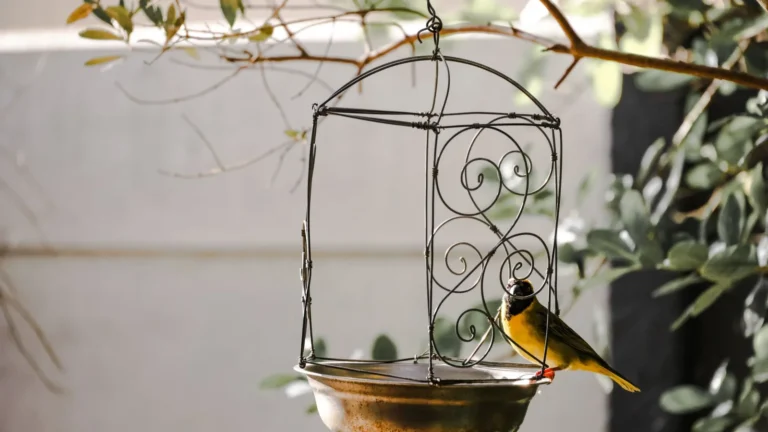
- Wire suet cages — Simple, inexpensive, and effective. A basic square cage that holds a standard suet cake is often all you need.
- Tail-prop suet feeders — These add a wooden extension below the cage for larger woodpeckers like the pileated or red-bellied to brace their tail against, just as they would on a tree.
- Log or tree-mounted feeders — Suet plugs pressed into holes drilled in a hanging log feel and look most like natural foraging, and many woodpeckers respond strongly to this style.
Mount suet cages on a tree trunk, a dedicated pole, or hang them from a sturdy branch. Attaching a cage directly to a tree, even a few feet up, often gets faster results than hanging it from a shepherd’s hook in open lawn, since it more closely resembles the vertical surfaces woodpeckers already search for food.
Placement Tips That Make a Difference
Woodpeckers are a little more cautious around open, exposed feeding stations than chickadees or sparrows. Positioning your suet feeder near — but not buried inside — trees and shrubs gives them a comfortable flight path in and a place to retreat if a hawk or cat appears.
- Hang suet within 10 to 15 feet of mature trees when possible.
- Keep a clear line of sight from a nearby tree trunk to the feeder; woodpeckers often survey a feeder from a perch before committing.
- If you don’t have large trees, a tall pole with a squirrel baffle works, though it may take longer for woodpeckers to find it.
Other Foods That Complement Suet
While suet is the anchor, offering a few other high-fat, high-protein foods nearby rounds out the buffet and can help hold woodpeckers in your yard longer:
- Peanuts — Whole or shelled peanuts in a mesh feeder are a favorite backup food, especially for red-bellied woodpeckers.
- Black oil sunflower seed — Occasionally taken by woodpeckers, especially at a sturdy tray or hopper feeder near the suet station.
- Mealworms — Live or dried mealworms offered in a shallow dish can be an irresistible treat, particularly during nesting season when adults are feeding protein-hungry chicks.
Which Woodpeckers Might You See?
The species you attract will depend on your region, but suet feeders across most of North America regularly draw downy woodpeckers (the smallest and most common backyard visitor), hairy woodpeckers (a larger lookalike), red-bellied woodpeckers in the eastern half of the country, and occasionally northern flickers or the impressively large pileated woodpecker if you live near mature forest. Learning to tell downy and hairy woodpeckers apart — the hairy is noticeably larger with a proportionally longer bill — is a fun early identification challenge once you start watching regularly.
Suet Shopping for Woodpecker Season
Woodpeckers key on suet, so the whole list orbits one food and how you serve it:
- Suet cakes in peanut or insect blends — what woodpeckers key on (see current options on Amazon).
- A tail-prop suet feeder — lets a woodpecker brace its tail (compare today’s listings on Amazon).
- A peanut or nut blend — an extra draw for nuthatches too.
Some links here are affiliate links — buy through them and Feeder Flock may earn a small commission at no extra cost to you.
Keep the Suet Fresh
Fat can spoil, especially in warm or humid weather, so check suet cakes periodically and swap them out if they look discolored, smell off, or grow mold. In hot climates, consider switching to no-melt formulas during summer or pulling suet feeders during the hottest stretch of the year and reintroducing them as temperatures cool. A rancid suet cake won’t just go uneaten — it can actually make birds sick, so freshness matters as much as placement.
Keeping Squirrels and Starlings Out of the Suet
Suet is high in calories, which makes it just as appealing to squirrels, raccoons, and starlings as it is to woodpeckers. Squirrels will happily chew through a flimsy plastic cage or knock a whole suet cake to the ground, while flocks of starlings can strip a cake bare in minutes, leaving little for the woodpeckers you’re trying to attract. A few adjustments help tip the odds back in your favor:
- Choose a tail-prop or upside-down suet feeder. Many designs force birds to feed from the underside, which woodpeckers and nuthatches manage easily thanks to their strong feet, but which starlings and squirrels find much more awkward.
- Add a cage guard. A wire baffle or cage placed around a standard suet feeder can block starlings’ wider wingspan and beak angle while still letting smaller, more agile birds reach the suet.
- Mount feeders away from jumping distance. Squirrels can leap remarkable distances from a fence, branch, or roofline, so keep suet feeders at least six to eight feet from any launch point.
None of these tricks are foolproof, but combining a sturdy metal cage with thoughtful placement will cut down on losses considerably and keep more suet available for the birds you’re hoping to see.
Suet Through the Seasons
Woodpecker suet demand isn’t constant year-round. Interest typically climbs in late fall and winter, when insect prey disappears and birds need dense, easy-to-access calories to survive cold nights. It often rises again in late spring, when adults are feeding fast-growing nestlings and need a quick, protein-rich food source close to the nest cavity. Many backyard birders find suet gets less traffic in the height of summer, when natural insect populations are abundant, though woodpeckers in your area may still stop by out of habit. Adjusting your expectations — and swapping to a no-melt formula — around these seasonal shifts will help you keep suet fresh without unnecessary waste.
Patience Pays Off
It can take woodpeckers days or even a couple of weeks to discover a new suet feeder, especially if they haven’t previously fed in your yard. Keep the suet fresh and the feeder in a consistent spot rather than moving it around while you wait. Once a woodpecker learns where to find a reliable meal, it will typically return regularly, and its presence often attracts others of the same or different species who notice the activity.
Suet is one of the simplest and most rewarding additions you can make to a backyard feeding station. With the right cake, a cling-friendly feeder, and a spot near cover, you’ll have a strong shot at drawing woodpeckers to your yard — and once they arrive, their drumming, calls, and striking plumage make them some of the most memorable birds you’ll ever host.
Related reading
- How to Attract More Songbirds to a Small Yard or Balcony
- Best Plants and Shrubs to Attract Birds to Your Yard
- How to Attract Goldfinches with Nyjer and Sunflower
- How to Attract Bluebirds to Your Yard