Bird Bath Basics: Water That Brings in More Birds Than Feeders
Ask any experienced backyard birder what single addition brought in the most new species, and a surprising number will say a bird bath rather than another feeder. Water is a universal need — every bird has to drink, and most need to bathe regularly to keep their feathers clean and functional for flight and insulation. Unlike seed, which only appeals to birds that eat that particular food, water attracts insect-eaters, fruit-eaters, seed-eaters, and everything in between. Here’s how to set up a bird bath that actually gets used.
Why Water Outperforms Feeders
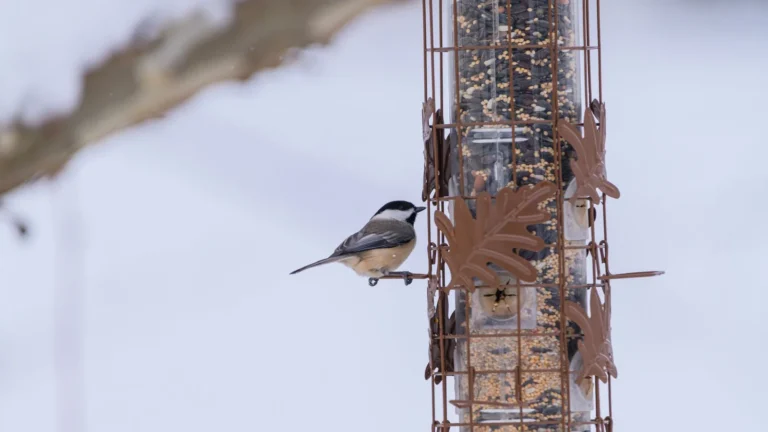
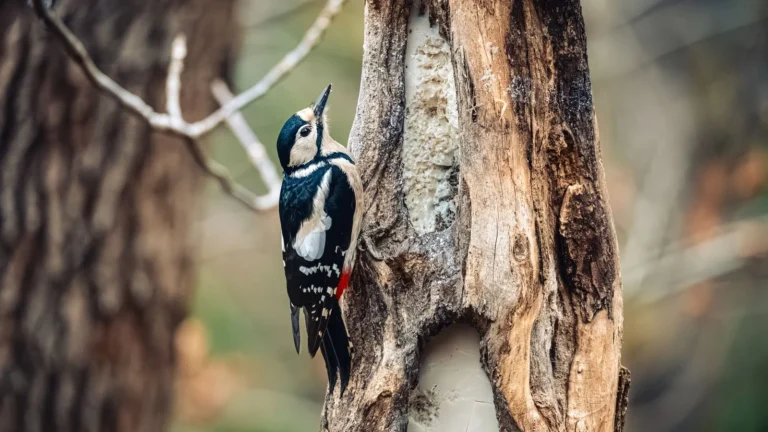
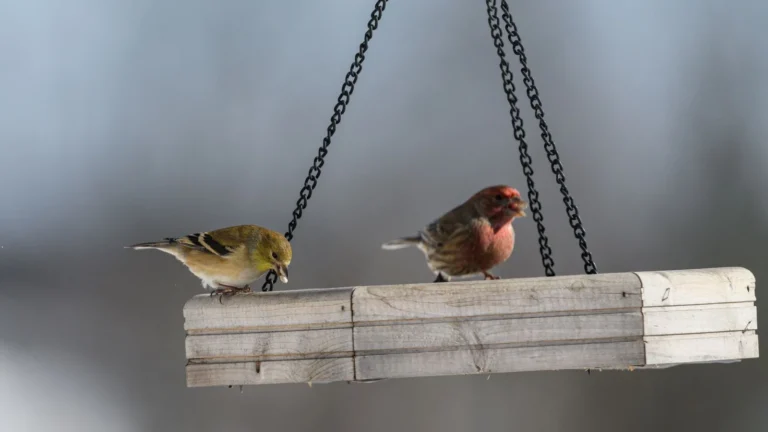
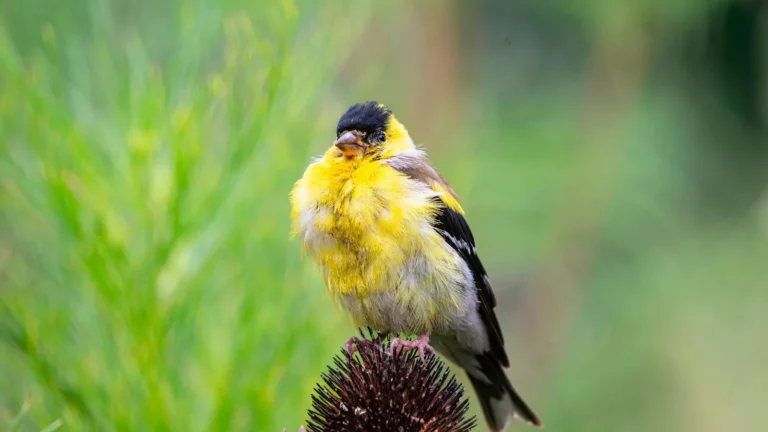
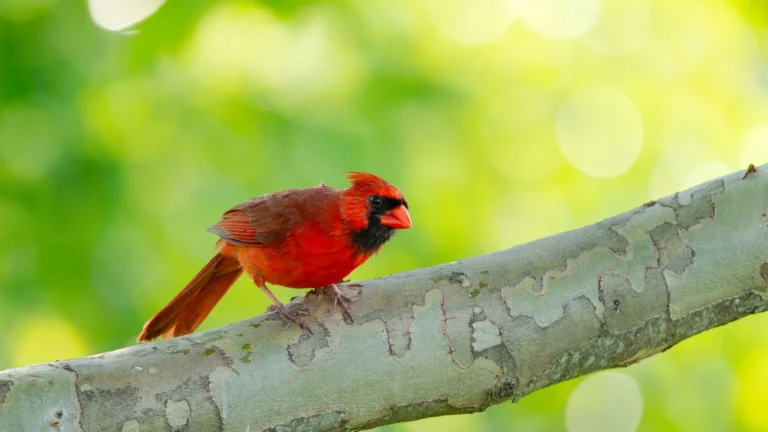
Feeders are selective by nature. A nyjer feeder draws finches, a suet cage draws woodpeckers, and a hopper full of sunflower seed draws cardinals and chickadees — but each attracts a narrow slice of the birds in your area. Water has no such limits. Warblers, thrushes, orioles, and other birds that rarely or never visit a seed feeder will readily stop at a clean, accessible water source. In hot or dry weather, and especially during migration, a reliable bath can become the single busiest spot in your yard.
Choosing the Right Bath
You don’t need anything elaborate to get started, but a few features make a big difference in how much use a bath gets.
Depth and slope matter most
Most backyard birds are surprisingly cautious about water depth. A basin that’s one to two inches deep at its deepest point, with a gently sloped edge that lets birds wade in gradually, will be used far more than a deep, straight-sided bowl. If you’re buying a bath, look for one with a shallow basin or a built-in ledge. If you already own a deeper birdbath, you can add a few flat stones to create a shallow shelf birds can stand on.
Texture beats slickness
Birds’ feet need traction, and a glossy, slippery basin surface can actually discourage bathing. Concrete, rough-textured resin, and stone baths tend to outperform smooth glazed ceramic or polished metal. If your bath has a slick surface, a thin layer of sand or a few flat pebbles pressed into the bottom gives birds something to grip.
Ground-Level vs. Pedestal Baths
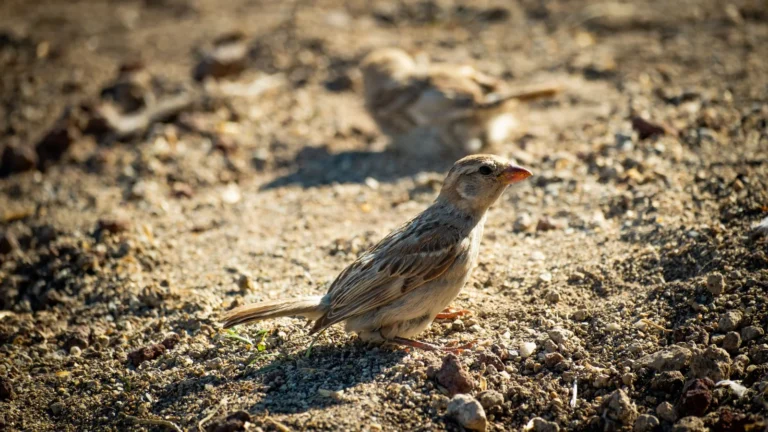
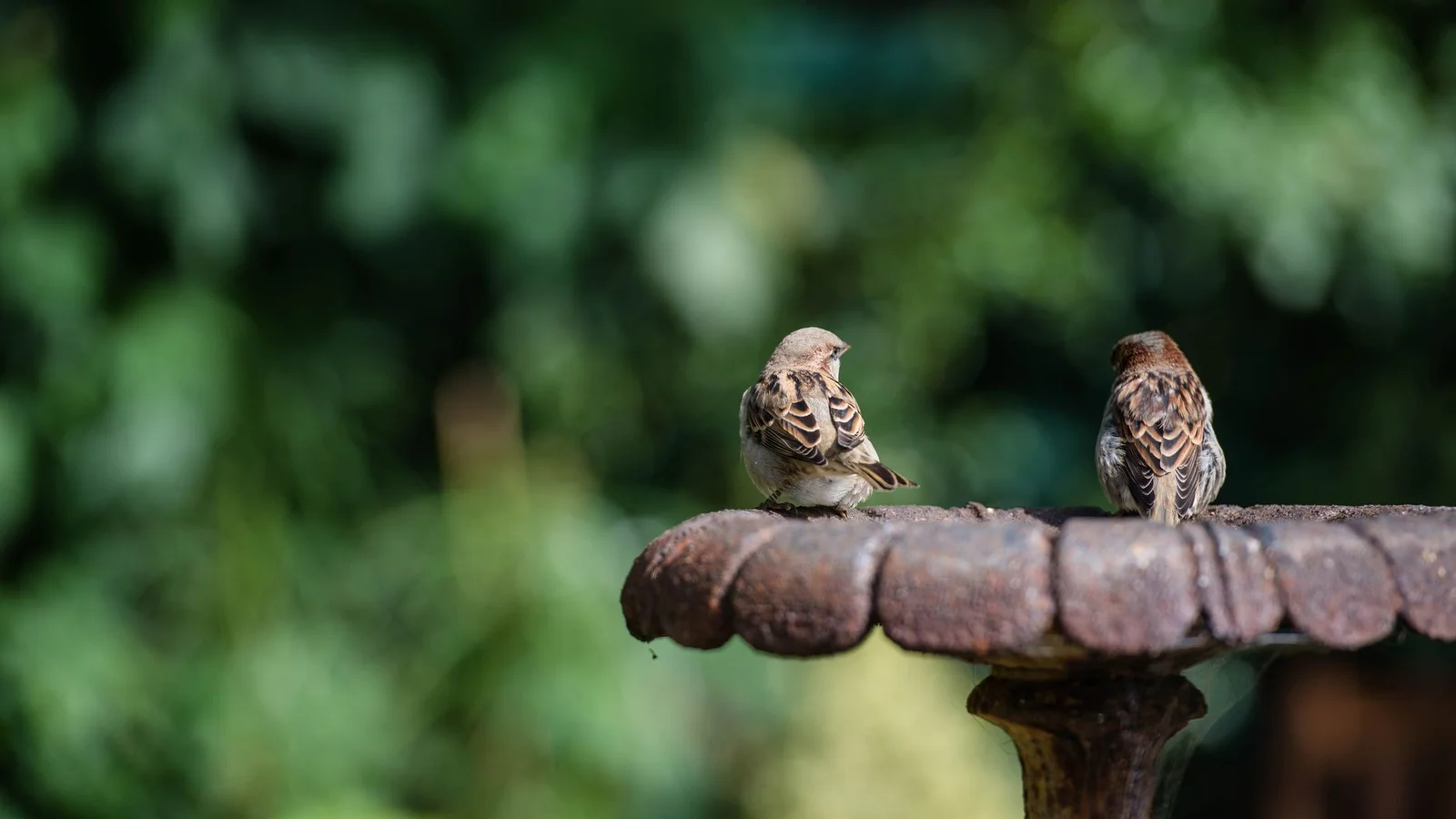
Both styles work, and different birds actually have different preferences. Ground-level baths, or basins set just a few inches off the soil, feel safer to species like thrushes, towhees, and sparrows that naturally forage and bathe close to the ground. Pedestal baths, raised two to three feet in the air, appeal to birds like robins and finches and offer a clearer sightline to spot approaching predators. If you have room, offering one of each style can maximize the variety of species that use your yard for bathing.
The Sound and Movement Advantage
Still water works, but moving water is a magnet. Birds are drawn to the sound and glint of dripping, trickling, or misting water from surprising distances — it signals a live, accessible source rather than a stagnant puddle. You don’t need anything expensive to add movement:
- Drippers — A simple gravity-fed drip line, often just a hose or bottle set to release a slow drip, hung over the bath.
- Bubblers — Small submersible pumps that create a gentle bubbling disturbance on the water’s surface.
- Misters — Fine mist attachments that some birds, especially hummingbirds and warblers, love to fly through.
Any of these upgrades tends to noticeably increase both the number of visits and the number of species that stop by, often within days of installation.
Placement: Balancing Visibility and Cover
Bathing birds are briefly vulnerable — wet feathers make quick escape harder — so placement affects how safe birds feel using your bath.
- Position the bath within 10 to 15 feet of a shrub or low tree branch so birds have somewhere to fly to and preen after bathing.
- Avoid tucking the bath so deep into cover that a cat could ambush from hiding nearby.
- Keep it somewhat visible from indoors if you want good viewing, but not so exposed that birds feel unsafe out in the open.
- Avoid placing baths directly under bird feeders, where seed hulls and droppings will quickly foul the water.
Keeping the Water Clean and Fresh
A dirty bath can do more harm than good, since stagnant or algae-choked water can spread disease between birds and becomes an ideal mosquito breeding site. A simple maintenance routine keeps things healthy:
- Dump and refill the water every one to two days, more often in hot weather.
- Scrub the basin with a stiff brush weekly to remove algae film and droppings; a diluted vinegar solution works well and rinses away without harsh chemical residue.
- Never use soap or bleach without rinsing thoroughly, and let the bath dry in the sun after cleaning when possible.
- In summer, check water levels daily since shallow baths evaporate quickly in the heat.
Winter Water: An Underused Opportunity
Open water is often harder for birds to find in winter than food, since ponds and puddles freeze solid. A heated bath or a basin fitted with a small submersible or floating deicer can become the single most-visited spot in your yard during a cold snap, drawing species that might otherwise pass your feeders by. Keep the water shallow even in winter, and check daily to be sure the heating element is working properly.
A Few Extra Touches That Help
Placing the bath somewhere with partial shade helps keep water cooler and slows evaporation and algae growth in summer. Adding a large, flat rock in the center of a deeper basin gives birds a place to stand while drinking without fully wading in. And if you notice bees or wasps clustering at the edges in summer, adding a few more shallow puddling spots nearby — even a plant saucer with wet sand — can draw their attention away from the main bath.
Simple DIY Bath Ideas
You don’t have to buy a purpose-built bird bath to get started. A plant saucer, a shallow trash can lid, or an upside-down garbage can lid propped on a few bricks all work as functional basins as long as they hold one to two inches of water and have a stable base. Terra cotta plant saucers are a particularly popular DIY option because their slightly rough surface gives birds good footing right out of the box. If you want to experiment with a dripper before investing in a commercial one, a plastic milk jug with a pinhole poked near the bottom, hung above the bath and refilled as needed, will produce a slow, steady drip that birds notice quickly.
Matching Your Bath to the Birds You Want
If you’re hoping to draw a specific set of species, small adjustments to your setup can help. Hummingbirds are drawn to fine mist more than standing water and will often fly directly through a misting attachment to bathe on the wing, so adding a mister near flowering plants can be more effective than a basin alone for this group. Larger birds like robins and jays tend to prefer a wider, sturdier basin where they can hop in fully rather than perch on the rim. Warblers and other small migrants passing through in spring and fall are especially drawn to the sound of dripping or trickling water, making a dripper one of the best tools for turning your yard into a rest stop during migration season.
Start Simple and Watch What Happens
You don’t need to build an elaborate water feature to see results. Even a basic shallow dish set on the ground near a shrub, refreshed regularly, will draw birds within days. Once you add movement, keep it clean, and place it thoughtfully, don’t be surprised if your bird bath becomes busier than every feeder in your yard combined. For a lot of backyard birders, that’s the moment they realize water, not seed, is the real key to a lively, diverse flock.
Related reading
- How to Clean Bird Feeders and Keep Your Flock Healthy
- How to Keep Squirrels Off Your Bird Feeders (Methods That Actually Work)
- Best Bird Feeders for Beginners: Types, Placement, and What to Avoid
- Platform, Tube, or Hopper: Choosing the Right Bird Feeder
Sources & further reading
Ready to stock up? Moving, clean water can out-pull almost any feeder. You can see current options on Amazon for a pedestal bird bath, or compare today’s listings on Amazon for a solar dripper or water wiggler. Heads up: Feeder Flock is an Amazon Associate, so a purchase through these links may send a few cents our way. It never costs you more.